World · India Bureau
Scientists Warn of Parasite Risk as Nature's Mind-Control Organisms Evolve
Researchers have highlighted the concerning potential of parasites and fungi that manipulate animal behavior, raising questions about whether humans could become susceptible to similar biological control mechanisms in the future.
LSN India ·
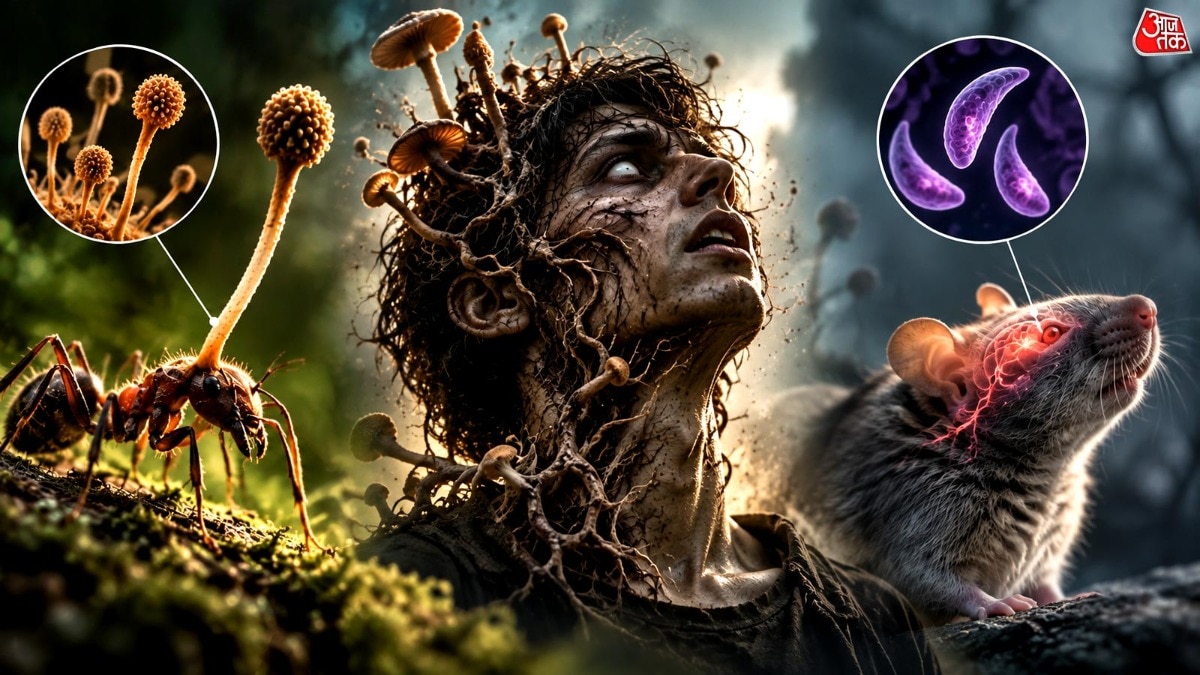
Scientists studying parasitic organisms have uncovered alarming evidence of nature's capacity to commandeer animal behavior through biological manipulation. Certain parasites and fungal species exert remarkable control over their hosts' neural systems, fundamentally altering decision-making and behavioral patterns in ways that benefit parasite survival and transmission.
Among the most striking examples are parasites that infect insects and rodents. The rabies virus, transmitted primarily through animal bites, represents one of the most dangerous known pathogens capable of altering host behavior. Other parasites similarly hijack the brains of ants and mice, compelling them to engage in activities that facilitate the parasite's life cycle and spread to new hosts.
The mechanisms by which these organisms achieve such control remain a focus of intense scientific investigation. Researchers have identified how certain parasites manipulate neurotransmitters and neural pathways, essentially converting infected animals into unwitting vectors for disease transmission. This sophisticated biological strategy has evolved over millions of years, representing a profound adaptation within parasitic organisms.
While current evidence suggests such direct neural manipulation remains limited to specific animal-parasite combinations, scientists caution against complacency. The rapid evolution of pathogens and the potential emergence of novel organisms raise theoretical concerns about whether humans could face similar threats in the future. Experts emphasize the need for continued surveillance and research into parasitic mechanisms to better understand and mitigate potential risks to human populations.