Culture & Entertainment · India Bureau
Scotland's beaver restoration project brings iconic species back to Loch Ness
Scottish environmental authorities have approved a landmark rewilding initiative to reintroduce beavers to the Loch Ness area after a 500-year absence. The project will see 15 family groups released into local waterways over the next three years as part of a broader biodiversity conservation effort.
LSN India ·
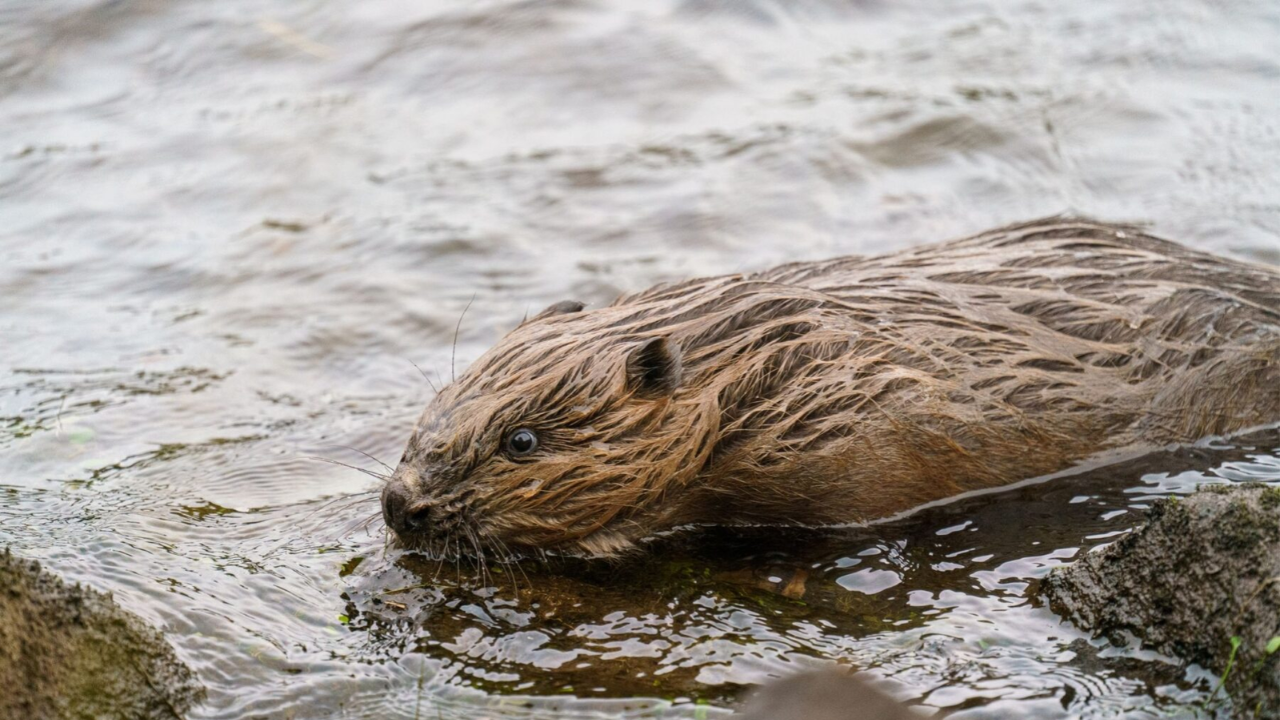
NatureScot, Scotland's nature conservation agency, has greenlit the ambitious reintroduction programme aimed at restoring the ecological role beavers once played in the region. The initiative marks a significant milestone in European rewilding efforts, as beavers had vanished from the Loch Ness watershed by the 16th century due to hunting and habitat loss.
The phased release will introduce carefully selected family groups into the waterways surrounding Loch Ness, with conservationists focusing on areas where ecological conditions are most favourable for population establishment and growth. The three-year timeline allows for careful monitoring of the animals' adaptation and integration into the local ecosystem.
Beavers are considered a keystone species in temperate wetland ecosystems, with their dam-building activities creating complex habitats that benefit numerous other wildlife species including fish, amphibians, and birds. Their presence can also improve water quality and reduce flood risk through natural water management mechanisms.
The project incorporates provisions to address potential conflicts with farming and land management interests. Conservationists have developed mitigation strategies in coordination with local landowners and agricultural stakeholders to minimise crop damage and land-use disputes while enabling the rewilding effort to proceed. This collaborative approach reflects growing recognition that large-scale conservation initiatives require balancing ecological benefits with practical community concerns.