Technology · India Bureau
Scottish hero's gravestone bears carvings from millennium before his birth
Advanced 3D imaging has revealed that the gravestone of Rob Roy MacGregor contains centuries-old carvings predating the legendary Scottish figure by approximately 1,000 years. Researchers believe the stone may have origins in early medieval Christian traditions.
LSN India ·
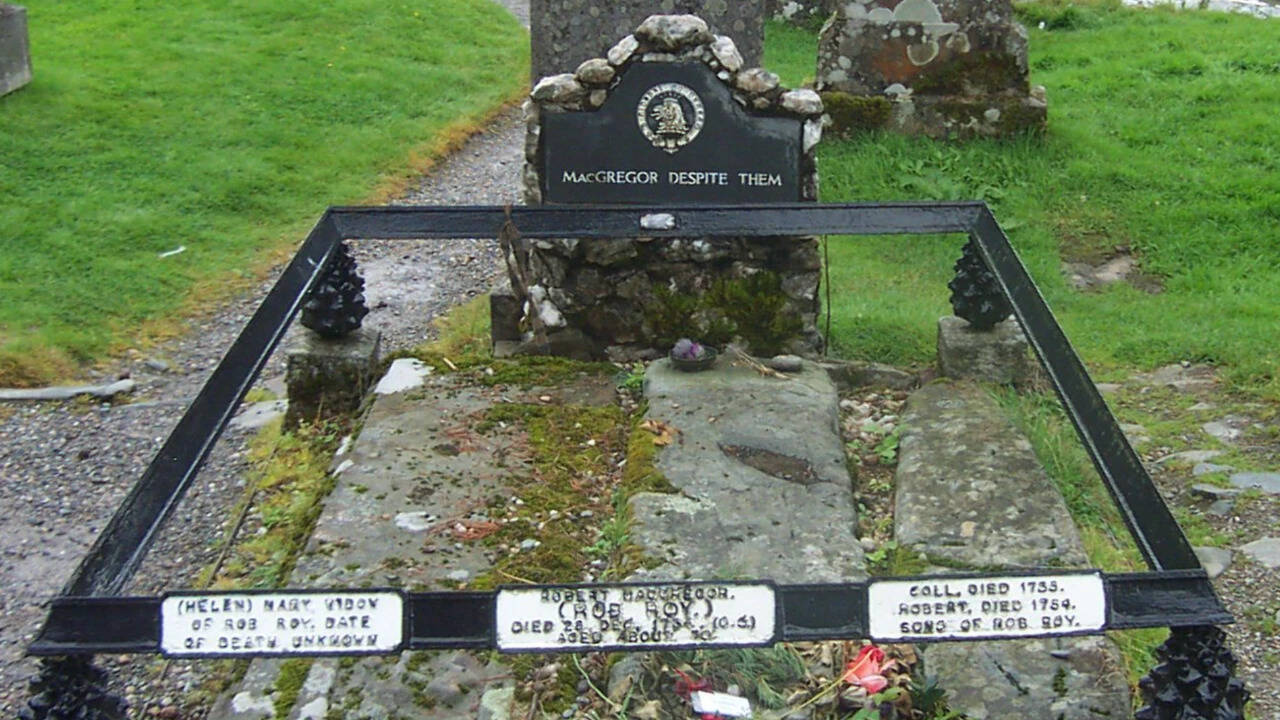
A groundbreaking study of Rob Roy MacGregor's gravestone at Balquhidder Parish Church in Scotland has unveiled a remarkable historical layering, with researchers discovering that the stone's carvings span multiple centuries. Using advanced 3D imaging technology, scientists have determined that the earliest inscriptions were created roughly a thousand years before MacGregor's lifetime, suggesting the gravestone had a complex and lengthy history prior to its use as the final resting place of the famous Highland outlaw.
The research indicates that the stone features intricate designs pointing to potential connections with early medieval Christianity. The multiple phases of carving suggest that the stone was repurposed or reused across several historical periods, each era adding its own artistic and religious significance to the monument. This pattern of reuse was not uncommon in medieval Scotland, where valuable worked stones were often incorporated into new structures or redeployed for different purposes.
The findings add new dimensions to understanding both the stone itself and the broader historical context of the Balquhidder area. The gravestone, long associated with MacGregor who became a legendary figure in Scottish folklore during the 17th century, now appears to embody a much deeper historical narrative spanning the medieval and early modern periods.
To facilitate further study and public engagement, researchers have made digital 3D models of the gravestone publicly accessible, allowing historians and enthusiasts worldwide to examine the stone's intricate carvings and contribute to ongoing research into its origins and significance.