World · India Bureau
Scottish oyster restoration bears fruit as juveniles spotted after century
Marine conservationists have documented the first natural breeding of European flat oysters in a Scottish estuary in over 100 years, marking a significant milestone in ecosystem restoration efforts. The discovery in Dornoch Firth signals that reintroduced populations are now self-sustaining.
LSN India ·
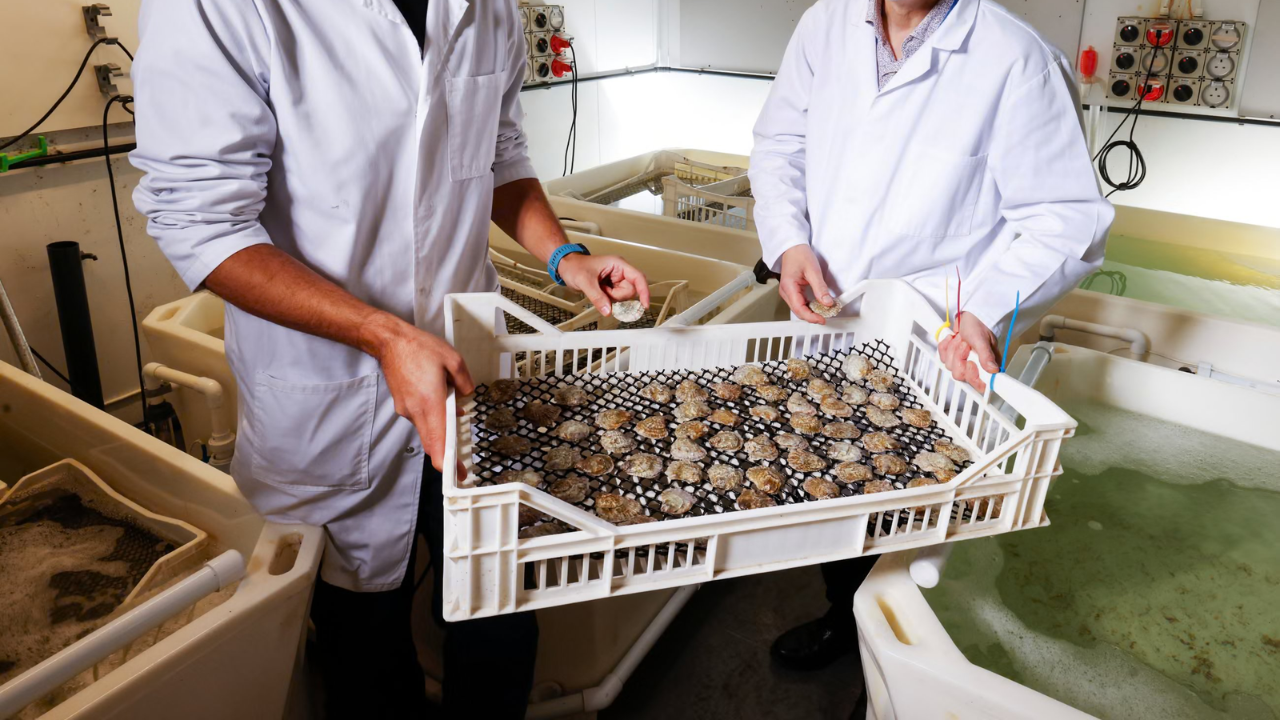
Scientists have confirmed the presence of juvenile European flat oysters in Dornoch Firth, Scotland, the first documented natural breeding in the region since populations collapsed more than a century ago. The discovery represents a watershed moment for a long-running restoration initiative aimed at reviving native oyster ecosystems across the Scottish coast.
The conservation project, which has spanned 12 years, involved the systematic introduction of approximately 140,000 adult oysters into the estuary. By establishing breeding populations in their native habitat, researchers sought to rebuild oyster reef formations that had been depleted due to historical overharvesting and environmental degradation.
The presence of young oysters indicates that the reintroduced populations have achieved natural reproduction, a critical benchmark for any species restoration program. This self-sustaining breeding cycle suggests that the ecosystem conditions in Dornoch Firth have improved sufficiently to support viable populations without continued external intervention.
Oyster restoration projects yield benefits extending beyond the target species. As filter feeders, oysters improve water quality and their reef structures provide crucial habitat for numerous marine organisms, enhancing overall biodiversity and ecosystem resilience. The Scottish initiative demonstrates the potential for large-scale marine conservation to reverse decades of ecological decline in regional waters.