Business · India Bureau
Scottish scientists create low-cost ultrasound device to produce farm fertiliser
Researchers at the University of Glasgow have developed an affordable ultrasound technology that produces nitrate fertiliser directly from air and water, potentially reducing agriculture's dependence on industrial chemical production. The compact device, estimated to cost around £20, uses sound waves to generate the nutrient without traditional manufacturing processes.
LSN India ·
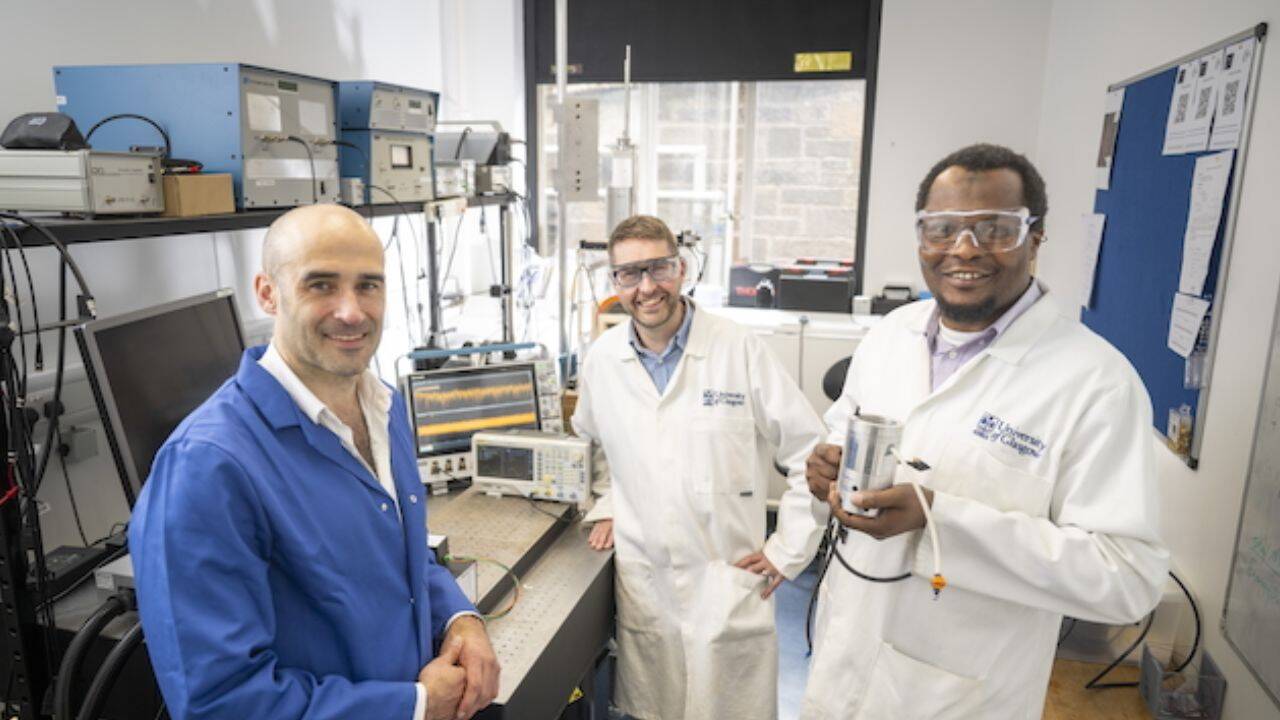
Scientists at the University of Glasgow have unveiled an innovative approach to fertiliser production that could have significant implications for agricultural sustainability across South Asia. The breakthrough involves an ultrasound-based device that synthesises nitrate—a critical nutrient for crop growth—by combining air, water, and acoustic energy.
The technology harnesses ultrasonic vibrations to create chemical reactions that produce usable nitrate fertiliser. This represents a departure from conventional methods such as the Haber-Bosch process, which has dominated industrial fertiliser production for over a century and relies on energy-intensive procedures and substantial infrastructure investment. By contrast, the Glasgow team's device offers a simpler, more localised production model potentially accessible to resource-constrained farming communities.
Current prototypes have demonstrated technical feasibility, though researchers acknowledge that energy consumption levels remain higher than established industrial processes. The development team plans to optimise the device's efficiency over the coming year, focusing on reducing power requirements and improving practical viability for agricultural deployment.
The initiative addresses a persistent challenge in global food production: ensuring steady, affordable access to nitrogen-based fertilisers essential for crop yields. For countries with developing agricultural sectors and limited chemical manufacturing capacity, such decentralised production methods could offer strategic advantages in food security and economic resilience.