World · India Bureau
Scottish seagrass restoration project achieves remarkable 97% survival rate
A community-led initiative in Scotland has successfully revived seagrass meadows with an exceptional shoot survival rate of 97%, offering hope for coastal ecosystem restoration efforts globally.
LSN India ·
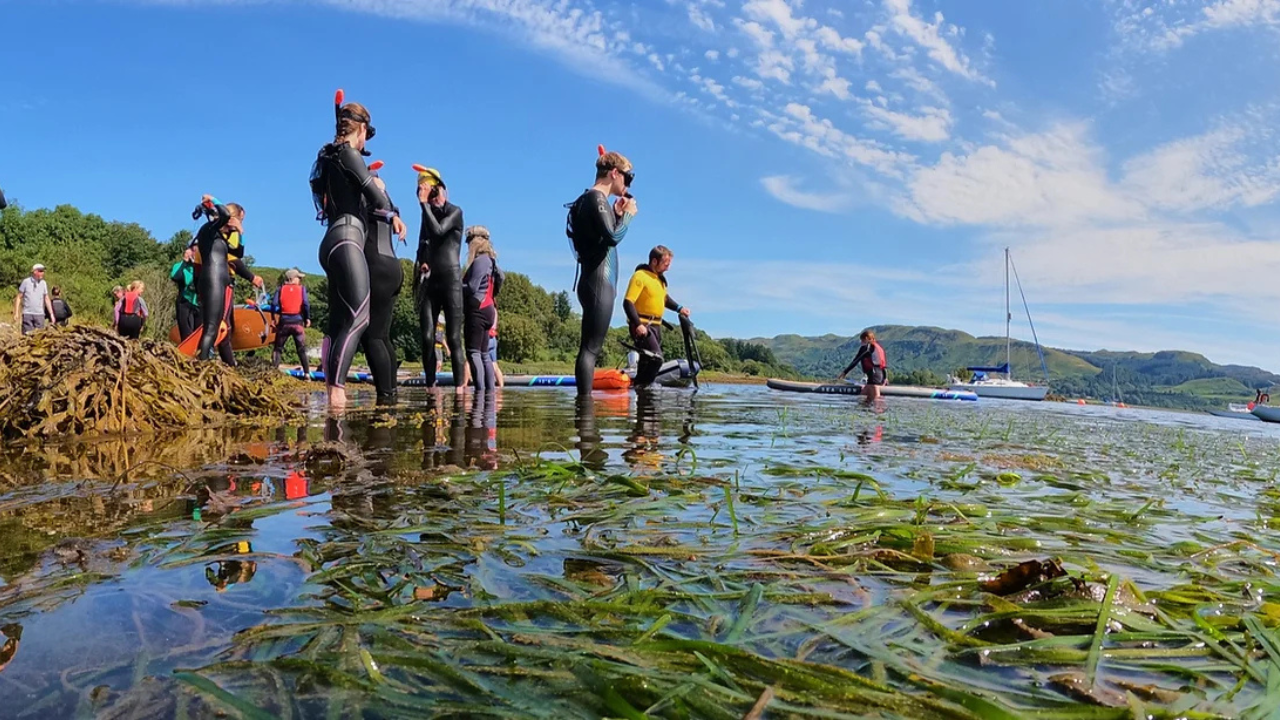
A Scottish coastal community has demonstrated significant success in restoring seagrass meadows, with newly planted shoots achieving a 97% survival rate—a benchmark that far exceeds typical restoration outcomes in marine conservation projects.
Seagrass meadows are among the world's most productive ecosystems, serving as critical habitats for fish and invertebrate species while playing an important role in carbon sequestration. Despite their ecological importance, these underwater grasslands have declined dramatically over recent decades due to coastal development, pollution, and environmental pressures.
The community-driven project focused on sustainable restoration techniques, carefully monitoring environmental conditions and employing methods tailored to local seawater chemistry and seasonal patterns. The exceptionally high survival rate suggests that well-designed, locally-adapted restoration strategies can effectively reverse decades of seagrass meadow degradation.
Experts view the Scottish initiative as a replicable model for coastal communities across Europe and beyond seeking to restore degraded marine habitats. The project's success underscores the potential for community participation in large-scale environmental restoration, combining local ecological knowledge with scientific best practices to achieve measurable conservation outcomes.
Seagrass restoration efforts are gaining momentum globally as governments and environmental organizations recognize these ecosystems' critical role in climate mitigation and biodiversity protection. The Scottish community's achievement provides a promising blueprint for similar initiatives elsewhere.