Culture & Entertainment · India Bureau
Sea turtle nest relocation yields fewer hatchlings, skewed sex ratios
Relocating vulnerable sea turtle nests to protect them produces unintended negative consequences, including heavily female-biased offspring and smaller, physically weaker hatchlings, researchers have found.
LSN India ·
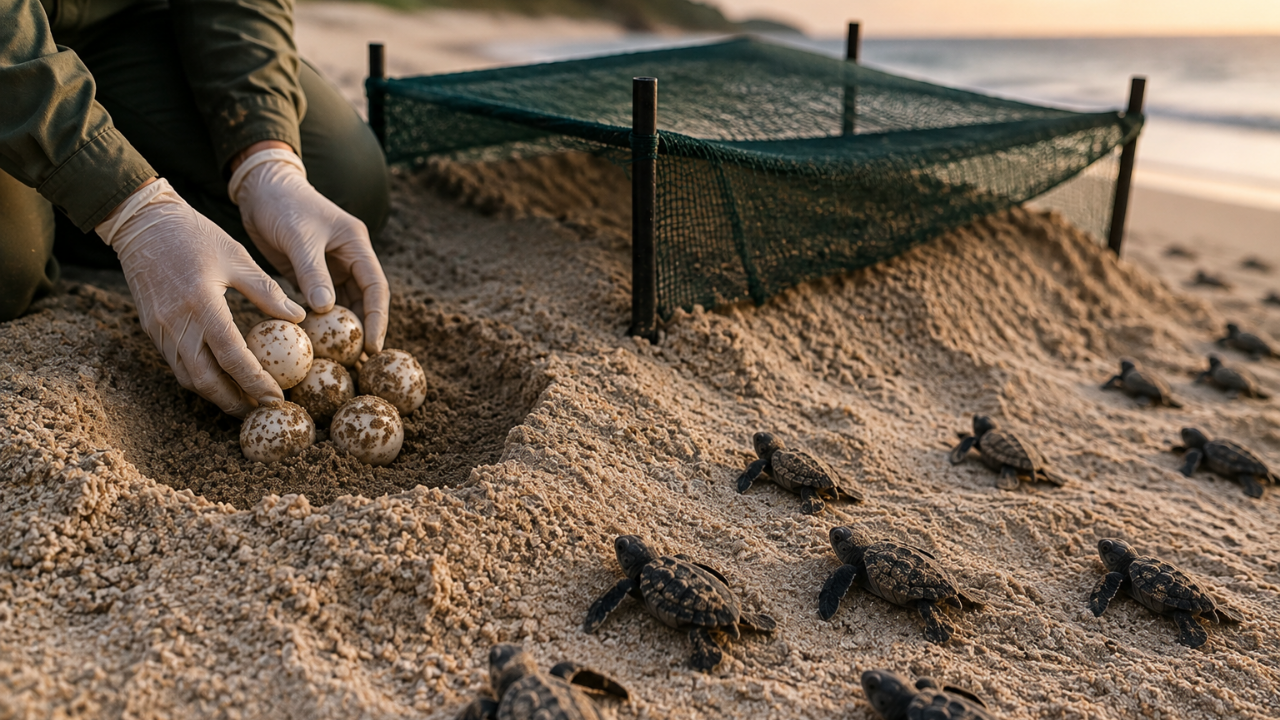
Conservation efforts to save sea turtle populations through nest relocation may be inadvertently harming the very species they aim to protect, according to findings that highlight complex environmental factors at play during incubation.
When nests are moved to warmer locations for protection, the elevated temperatures trigger a dramatic shift in the sex ratio of hatchlings, producing disproportionately more females. The mechanism behind this outcome relates to temperature-dependent sex determination in sea turtles, where warmer incubation conditions consistently favour female development.
The research revealed additional complications even when nests are relocated to shaded sites intended to maintain cooler temperatures. Hatchlings from relocated nests were found to be smaller than their counterparts from undisturbed nests, with correspondingly reduced physical capabilities that could impact their survival in the marine environment.
These findings underscore the need for conservation programmes to adopt more holistic approaches to nest relocation. Effective protection of vulnerable sea turtle populations requires careful consideration of multiple environmental variables—including temperature, humidity, soil composition and light exposure—rather than focusing narrowly on single factors. As coastal development and climate change continue to threaten turtle nesting habitats across South and Southeast Asia, implementing scientifically rigorous relocation protocols has become increasingly critical to ensure viable population recovery.