World · India Bureau
Seal bands critical to structural integrity of residential buildings
While strong pillars and foundations are essential for home durability, structural elements like plinth and seal bands play an equally important role in reinforcing walls and overall building strength.
LSN India ·
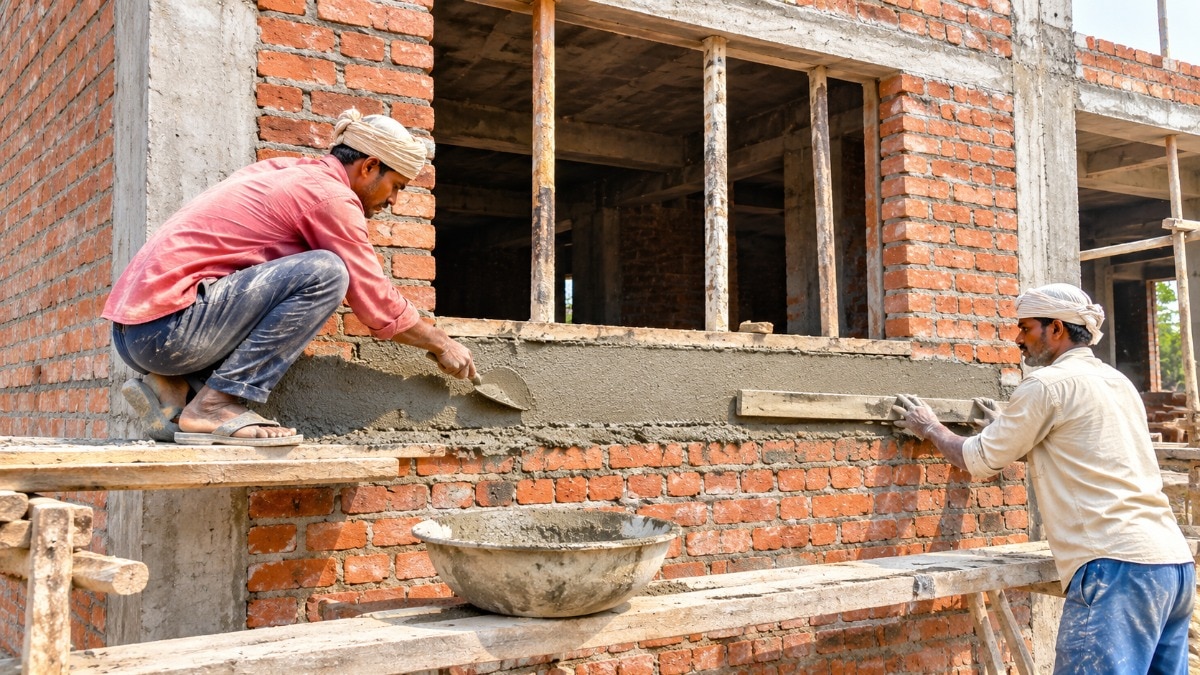
Homeowners often focus on the visible structural components when assessing building quality, but overlooking smaller yet critical elements can compromise long-term durability. Seal bands, also known as plinth bands, are horizontal structural members that form a crucial part of any building's framework.
A seal band is typically constructed at the junction between the foundation and the superstructure of a building. This reinforced concrete element acts as a connector, distributing loads evenly across the wall and preventing differential settlement that could lead to cracks and structural weakening over time.
These bands serve multiple functions in residential construction. They prevent moisture from rising through the walls from the ground, a phenomenon known as capillary rise, which can damage interior walls and compromise the building's longevity. Additionally, seal bands provide lateral stability and help resist seismic forces in earthquake-prone regions.
Engineers and architects emphasize that neglecting seal bands during construction can result in weak points in the structure. Walls without proper seal bands are more prone to developing cracks, experiencing uneven settling, and suffering increased moisture damage. The cost of installing a robust seal band during the initial construction phase is substantially lower than addressing structural issues after they develop.
Building professionals recommend ensuring that seal bands are constructed with appropriate materials and thickness as per local building codes. This relatively modest investment during construction can significantly extend a building's lifespan and maintain its structural integrity for decades.