World · India Bureau
Sealed cupboard in Pompeii reveals intimate details of Roman family life
Italian archaeologists have discovered a wooden cupboard buried by Mount Vesuvius in AD 79, containing bronze coins, personal items, and childhood charms that offer rare insights into everyday life in the ancient Roman city.
LSN India ·
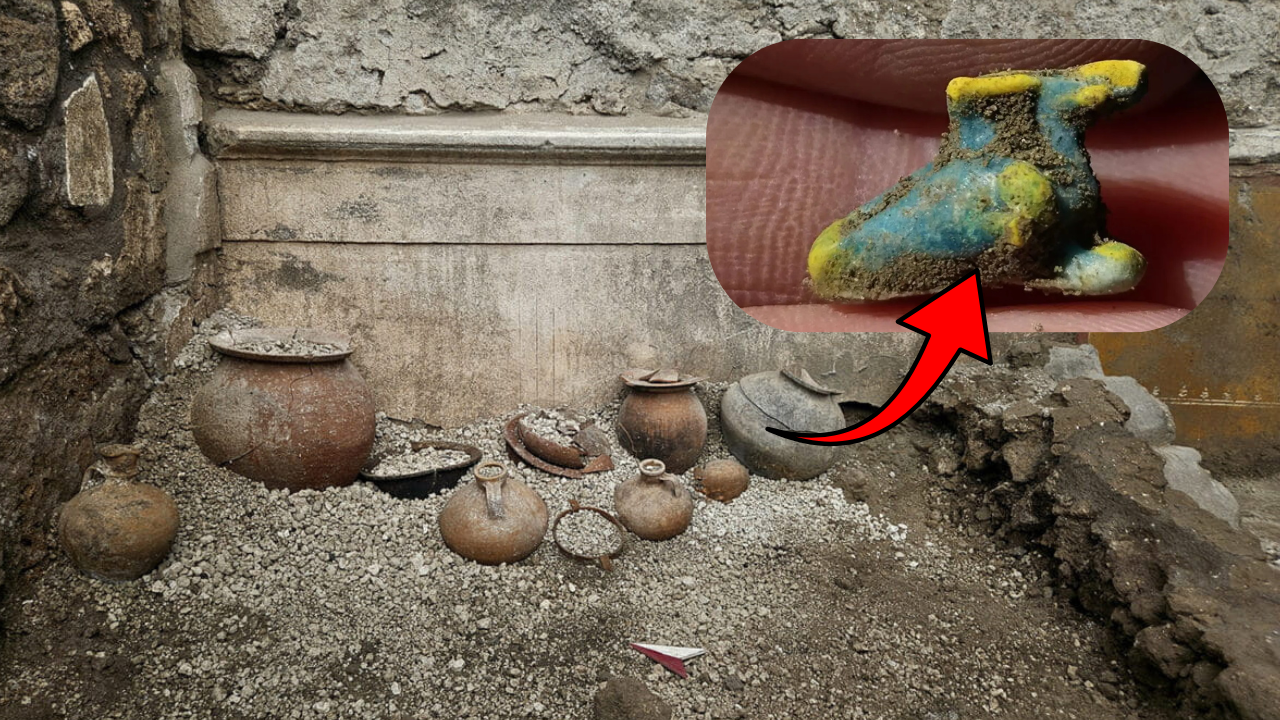
Excavations in Pompeii have unearthed a sealed wooden cupboard containing 38 bronze coins and at least 24 small amulets believed to be childhood charms, providing archaeologists with an unusually intimate window into domestic life 2,000 years ago.
The discovery adds to the growing body of evidence showing how ordinary Roman families lived before the catastrophic volcanic eruption that buried the city under ash and pumice. Among the artifacts recovered were items related to personal care and hygiene, alongside the coins and talismans, suggesting the cupboard served as a household repository for valued possessions.
Archaeologists theorize that the residents were unable to retrieve their belongings during the eruption, leaving the cupboard sealed in place as the volcanic material entombed the structure. The preservation of such intimate domestic items is rare, as most household goods were either removed by inhabitants fleeing the disaster or destroyed by the eruption's violence.
The find contributes to a deeper understanding of Roman domestic culture, moving beyond grand public monuments to reveal the material reality of family life. The presence of childhood amulets, in particular, offers poignant evidence of parental concerns and cultural practices surrounding children in the ancient world, underscoring the universal nature of family bonds across millennia.