World · India Bureau
Seattle's innovative driftwood recycling program turns waste into wildlife habitats
The US city of Seattle manages nearly 900 tons of driftwood annually, with approximately 80 percent being repurposed to create and restore wildlife habitats rather than sent to landfills.
LSN India ·
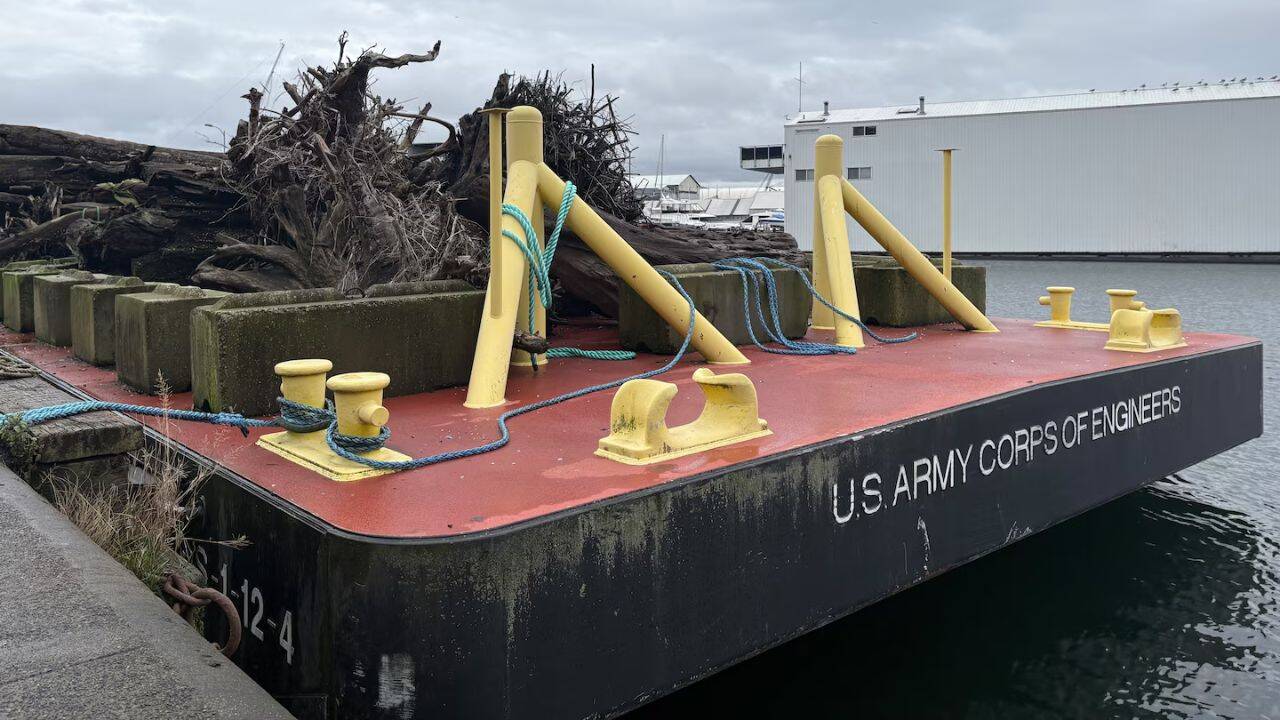
Seattle has developed a comprehensive approach to managing the substantial volumes of driftwood that accumulate along its waterways each year, transforming what might otherwise be considered waste into a valuable ecological resource.
The city collects roughly 900 tons of driftwood annually from its waterfront areas. Rather than disposing of this material through conventional waste management systems, Seattle's environmental management strategy prioritizes reuse and environmental restoration. Approximately 80 percent of the collected driftwood is redirected toward habitat creation and improvement projects.
The repurposed driftwood serves multiple ecological functions. When strategically placed in natural areas, the wood creates shelter for various wildlife species, provides nesting sites for birds, and offers protection for small mammals. In aquatic environments, driftwood logs help stabilize riverbanks and stream channels while providing breeding grounds for fish and other aquatic organisms.
This approach reflects a broader trend among cities to adopt circular economy principles, where waste materials are valued as resources rather than burdens. By maximizing the reuse of driftwood, Seattle reduces pressure on landfills while simultaneously investing in environmental restoration and habitat protection.
The program demonstrates how thoughtful resource management can deliver environmental benefits while addressing urban waste challenges. Such initiatives provide a model that other cities may consider when developing their own strategies for managing large volumes of organic debris from natural sources.