Business · India Bureau
Sebi eases FPI compliance requirements with extended KYC review periods
India's market regulator has simplified foreign portfolio investor compliance by extending know-your-customer review intervals to two or eight years and streamlining disclosure requirements, effective December 1. The move aims to reduce regulatory burden on FPIs operating in Indian markets.
LSN India ·
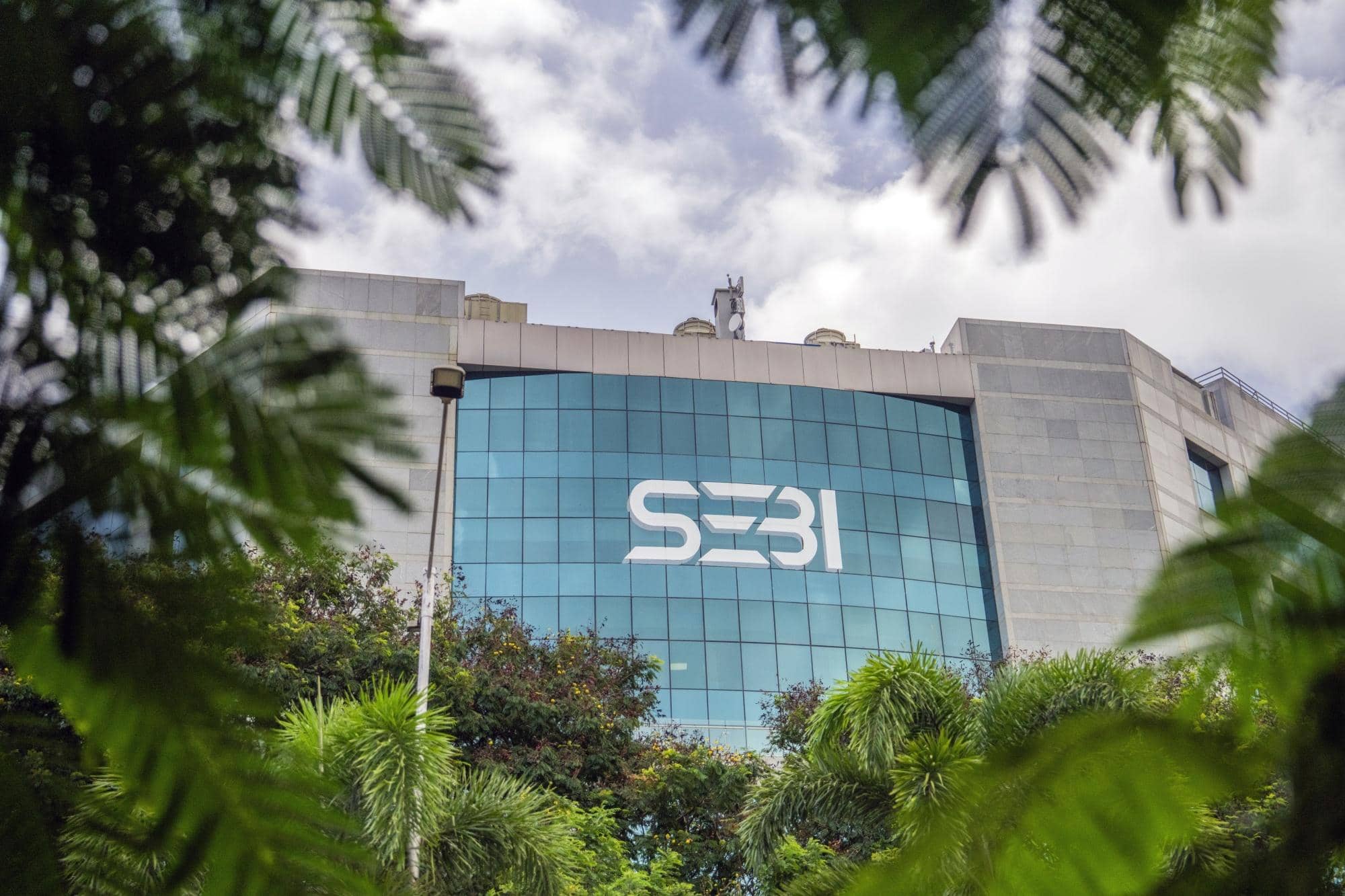
The Securities and Exchange Board of India (Sebi) has announced relief measures for foreign portfolio investors through relaxed compliance requirements that take effect from December 1. The regulator has extended KYC review intervals for certain categories of FPIs from their previous frequency to either two or eight years, depending on investor classification and risk profile. This extension is expected to significantly reduce administrative overhead for FPIs while maintaining adequate regulatory oversight.
In addition to the extended review periods, Sebi has removed a separate disclosure requirement that was previously mandated for FPIs. The elimination of this compliance measure further streamlines the regulatory framework governing foreign investors in Indian securities markets, addressing long-standing concerns about excessive paperwork and procedural complexity.
These regulatory changes reflect Sebi's broader approach of balancing investor protection with market accessibility. By reducing compliance friction for established FPIs with clean track records, the regulator aims to encourage continued foreign investment in Indian capital markets. The tiered approach to KYC review intervals allows Sebi to maintain closer oversight of higher-risk investor categories while easing requirements for low-risk, well-established foreign investors.
The modifications come as India continues efforts to strengthen its position as an attractive destination for global capital. FPIs have been significant contributors to Indian market liquidity and price discovery, and measures to simplify their operations are expected to support sustained inflows into Indian equities and debt securities.