World · Malaysia Bureau
Second-hand smoke linked to 1.7 million deaths annually worldwide
Exposure to cigarette smoke from others poses serious health risks globally, with research revealing that passive smokers inhale toxic compounds at dangerously high concentrations. The findings underscore growing concerns about the public health impact of smoking in shared spaces.
LSN Malaysia ·
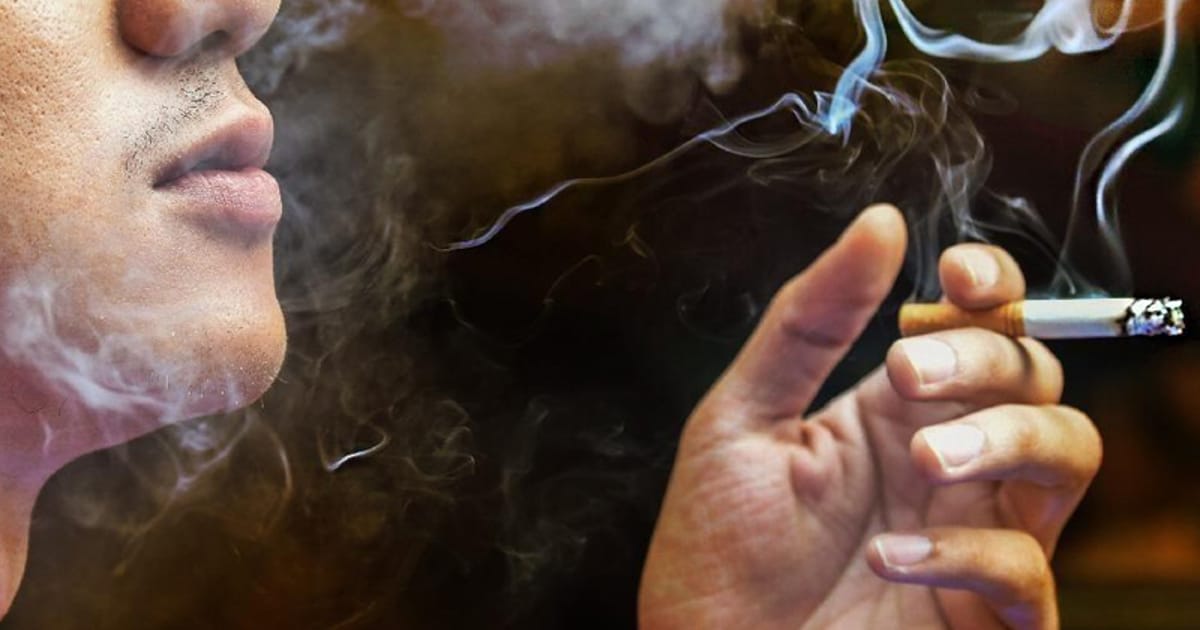
New research has quantified the significant health burden posed by second-hand smoke exposure, linking passive smoking to approximately 1.7 million deaths each year across the globe.
When non-smokers are exposed to cigarette smoke from nearby smokers, they inhale what is known as sidestream smoke. This form of smoke contains substantially higher concentrations of toxic and carcinogenic compounds compared to the smoke directly inhaled by smokers themselves, making passive exposure particularly hazardous to health.
The findings highlight the far-reaching consequences of smoking in shared environments, including homes, workplaces, and public spaces where non-smokers cannot avoid exposure. Health experts emphasize that second-hand smoke carries no safe level of exposure, with even brief periods near smokers capable of causing harm.
For Malaysia and other Southeast Asian nations grappling with smoking-related health challenges, the research reinforces the importance of implementing and enforcing comprehensive smoke-free policies. Public health officials point to evidence-based interventions such as workplace smoking bans and restrictions in public venues as effective measures to protect non-smokers from involuntary exposure.
The study adds to mounting evidence supporting stricter tobacco control measures, with health advocates calling for stronger protections for vulnerable populations including children and those with pre-existing respiratory conditions.