World · Malaysia Bureau
Second-life EV batteries bring power to Orang Asli communities
Recycled electric vehicle batteries are being repurposed to provide renewable energy storage for indigenous communities across Malaysia. The initiative extends the operational lifespan of used batteries while bringing electricity access to remote settlements.
LSN Malaysia ·
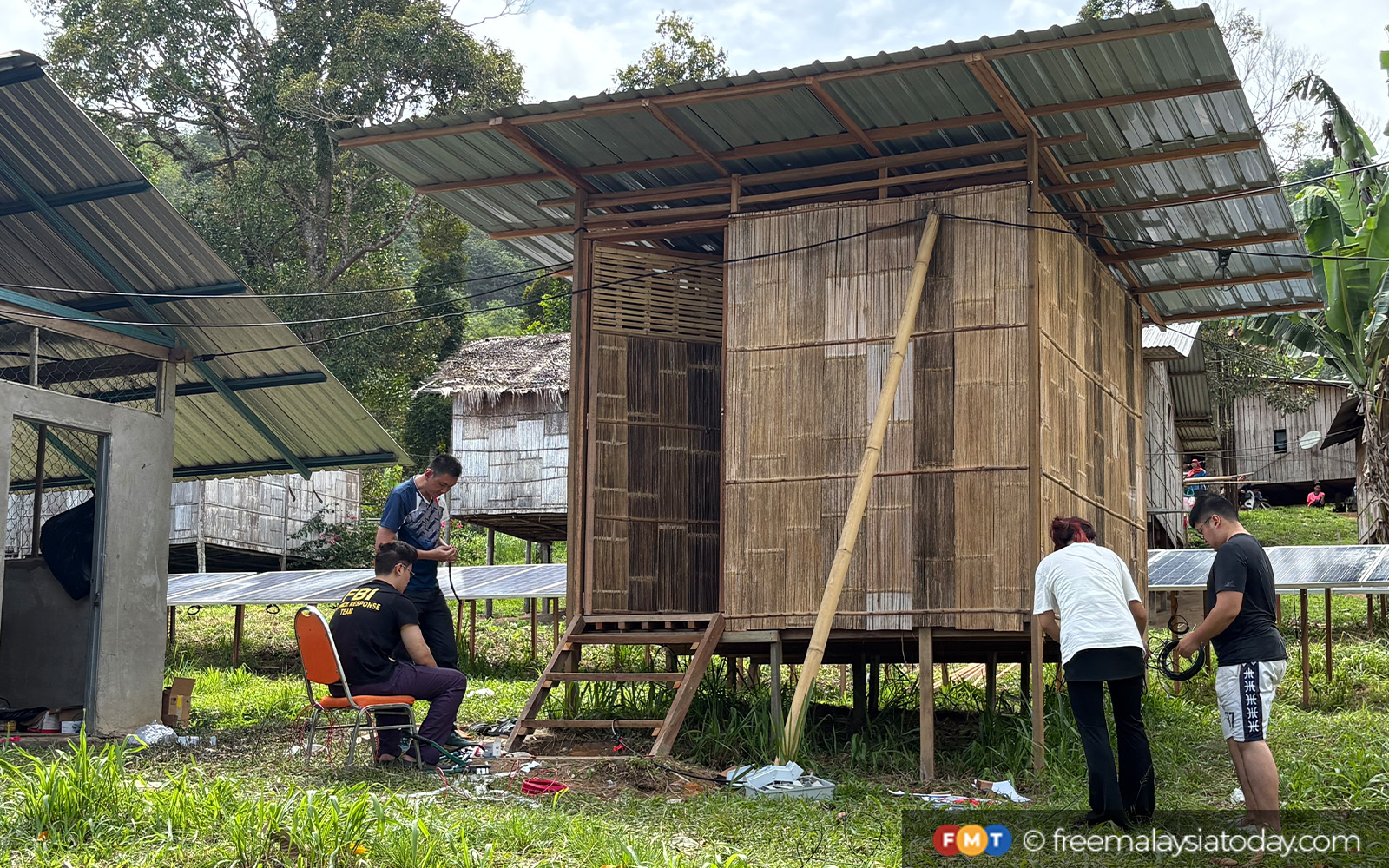
Electric vehicle batteries that have degraded beyond automotive standards retain sufficient storage capacity for stationary energy applications, making them ideal candidates for repurposing in off-grid settings. Several pilot programmes across Malaysia are now exploring this second-life battery model to electrify Orang Asli settlements in rural and remote regions.
The approach addresses two pressing challenges simultaneously: managing the growing volume of spent EV batteries from the automotive sector while expanding energy access to indigenous communities. Rather than discarding batteries after they fall below the 70-80 percent capacity threshold required for vehicle performance, these units can reliably support renewable energy systems for homes and small facilities.
Stationary energy storage applications, including solar power systems paired with battery backup, operate under less demanding conditions than vehicles. This allows recycled batteries to function effectively for several additional years, substantially extending their productive lifecycle and reducing e-waste concerns.
The initiative aligns with Malaysia's broader renewable energy and rural development objectives. By creating a circular economy pathway for EV batteries, the programmes demonstrate how technological advancement in the automotive sector can simultaneously benefit underserved communities that currently lack reliable electricity infrastructure.