World · India Bureau
Secret US nuclear tests in space triggered global communications chaos
Declassified records reveal that the United States conducted a covert programme of high-altitude nuclear detonations over the South Atlantic in 1958, creating artificial auroras and temporary radiation belts that disrupted global communications and prompted international treaties.
LSN India ·
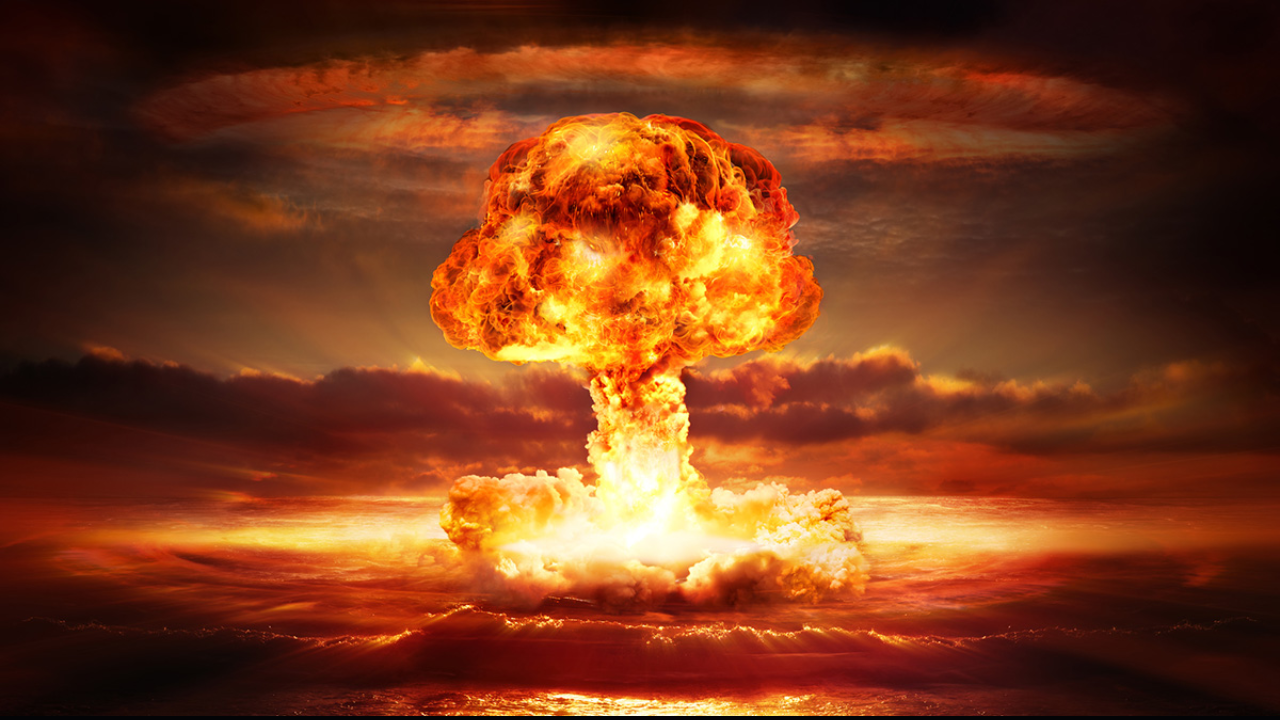
Operation Argus, a classified American military initiative, saw three nuclear devices detonated between 100 and 500 kilometres above the South Atlantic Ocean during 1958. The programme represented an experimental effort to evaluate whether nuclear explosions in the stratosphere could create protective radiation barriers against potential Soviet missile attacks and disable enemy radar systems.
The detonations produced spectacular artificial auroras visible across vast distances and temporarily generated radiation belts encircling the Earth. However, these artificially created barriers dissipated rapidly, far more quickly than scientists had anticipated. The unexpected instability of these radiation fields created severe interference with radio communications and other electromagnetic systems across multiple regions, disrupting telecommunications networks reliant on the affected frequencies.
The communications disruptions triggered by Operation Argus prompted serious international concern about the consequences of nuclear testing in space. The incident accelerated diplomatic discussions among world powers regarding the risks posed by such weapons tests to global infrastructure and the shared environment.
These developments contributed directly to the negotiation and adoption of the Outer Space Treaty and related international agreements that subsequently banned nuclear weapons testing in space. The treaties established legal frameworks prohibiting signatories from conducting nuclear explosions or deploying nuclear weapons beyond Earth's atmosphere, reflecting a consensus that the risks of space-based nuclear activity outweighed any perceived military advantages.