World · India Bureau
Seeds planted 142 years ago still sprout in landmark dormancy study
A groundbreaking experiment initiated by Michigan scientist William James Beal in 1879 has yielded viable seeds after more than a century, offering unprecedented insights into plant dormancy and potential applications for ecological restoration.
LSN India ·
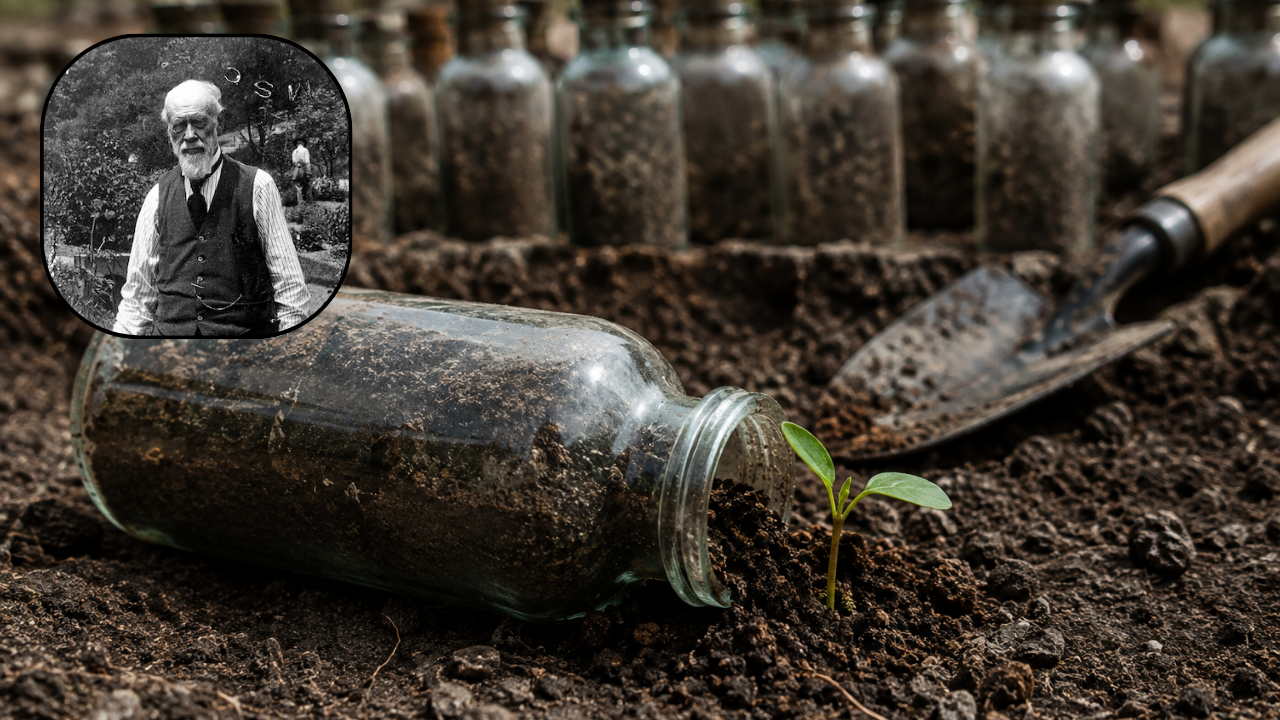
Researchers examining seeds buried by botanist William James Beal in 1879 discovered viable specimens in 2021, marking a remarkable 142-year interval in one of science's longest-running experiments. The seeds, which were deliberately buried to test how long plant embryos could remain dormant, demonstrated an extraordinary capacity for survival across generations—findings that have significant implications for agricultural and ecological sciences.
Among the recovered seeds was a hybrid moth mullein, identified through DNA analysis, which had not been anticipated when the experiment was originally established. The presence of this hybrid species enriched the research findings and provided unexpected data on plant genetics and evolution over extended timeframes. The experiment, designed to continue until 2100, represents an unparalleled longitudinal study in botanical science.
The implications of Beal's work extend beyond academic interest. Understanding seed dormancy mechanisms can enhance land restoration efforts and inform strategies to manage invasive species more effectively. As ecosystems face increasing pressures from human activity and climate change, the ability to predict and manipulate seed viability becomes crucial for conservation initiatives across the region and globally.
The study underscores the value of long-term scientific investigation and demonstrates how patient, methodical research conducted over multiple generations can yield insights that prove essential to addressing contemporary environmental challenges. The experiment will continue for several more decades, potentially offering further revelations about plant survival strategies and dormancy biology.