World · India Bureau
Seismic risks compound challenges in fragile Himalayan region
The Himalayan mountain range faces mounting environmental and geological challenges, with high seismic activity adding layers of complexity to an already unstable region. Scientists warn that the combination of factors poses significant risks to the densely populated areas at the foothills.
LSN India ·
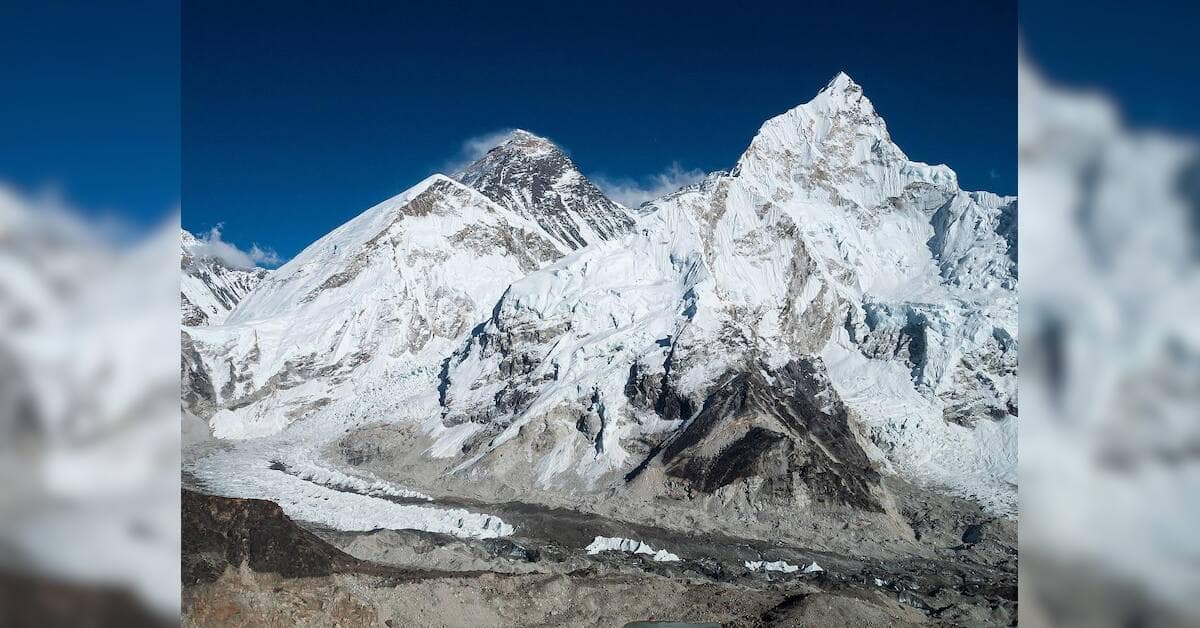
The Himalayan region confronts a precarious environmental situation, where geological instability poses persistent threats to millions of residents across South Asia. The mountain range, which stretches across multiple nations including India, remains one of the world's most seismically active zones, with frequent tremors and occasional major earthquakes reshaping the landscape and testing infrastructure resilience.
The unpredictability of seismic events in this region compounds existing challenges related to glacial melt, landslides, and climate change impacts. The intersection of these phenomena creates a complex web of hazards that proves difficult to forecast accurately. Experts emphasize that understanding these interconnected processes remains crucial for disaster preparedness and long-term planning.
For communities situated in the foothills and valleys of the Himalayas, the combination of seismic vulnerability and environmental stress demands enhanced monitoring systems and robust construction standards. Regional governments continue working to strengthen early warning mechanisms and improve building codes to withstand potential seismic shocks. Scientists stress that comprehensive geological surveys and continuous research are essential to better predict and mitigate risks in this strategically important and densely inhabited region.