World · India Bureau
Self-medicating with eye drops: What doctors want you to know
Medical experts caution against indiscriminate use of over-the-counter eye drops for dry eye syndrome, highlighting risks of improper self-treatment. Ophthalmologists stress the importance of professional diagnosis before using any ocular medication.
LSN India ·
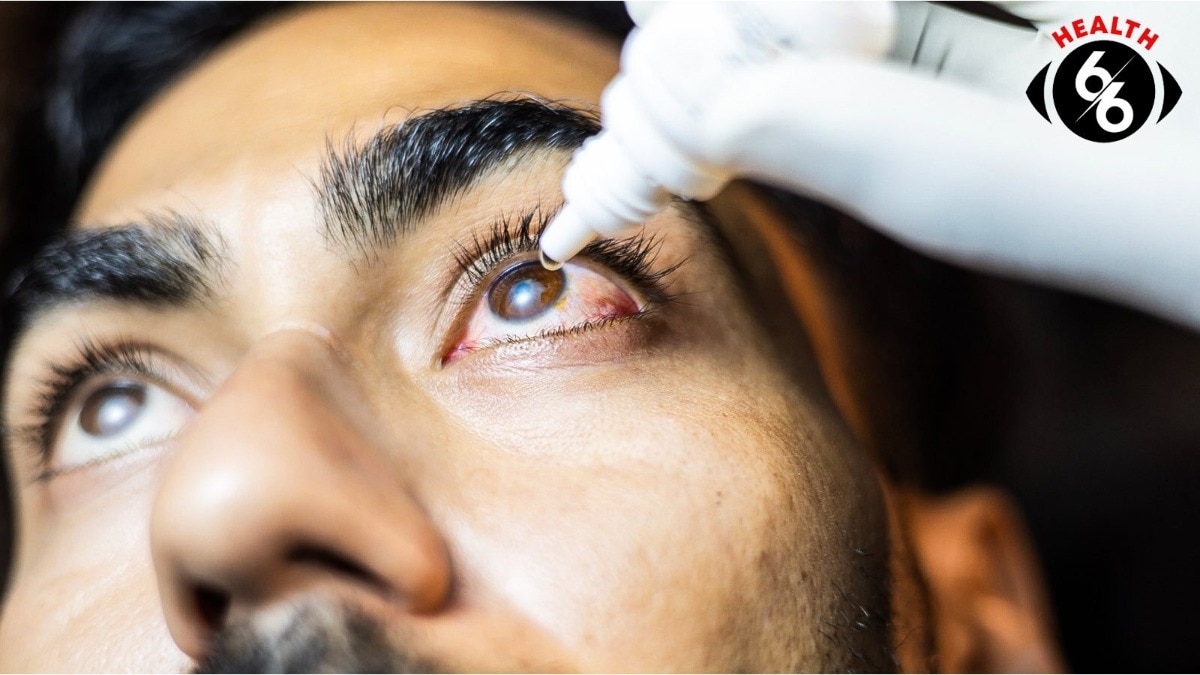
Dry eye syndrome affects millions across India, characterized by irritation, burning sensations, and dryness caused by insufficient tear production or rapid tear evaporation. While artificial tear drops can provide relief, ophthalmologists warn against purchasing and using any eye drops from medical stores without professional guidance.
The condition manifests when the eye's natural tear film becomes inadequate, either due to reduced tear secretion or accelerated evaporation. Common symptoms include discomfort, foreign body sensation, and paradoxical excessive tearing. Though over-the-counter eye drops may seem like a convenient solution, indiscriminate use can mask underlying conditions or exacerbate existing problems.
Medical professionals emphasize that different types of dry eye require different treatment approaches. Some cases involve aqueous tear deficiency, while others stem from meibomian gland dysfunction or evaporative dry eye. Using incorrect formulations may provide temporary comfort while allowing the underlying cause to worsen, potentially leading to corneal damage.
Experts recommend consulting an eye care specialist before self-medicating with eye drops. A proper diagnosis through clinical examination determines the root cause and guides appropriate treatment, whether through prescription drops, lifestyle modifications, or other interventions. Self-diagnosis based on symptoms alone carries significant risk of ineffective or counterproductive treatment.