World · World News Bureau
Senegal seeks new debt strategy to restore economic sovereignty
West African nation faces mounting pressure to abandon traditional structural adjustment programs that have deepened its fiscal crisis. Experts argue a fundamental shift in economic policy is essential to break the cycle of debt dependency.
LSN World News ·
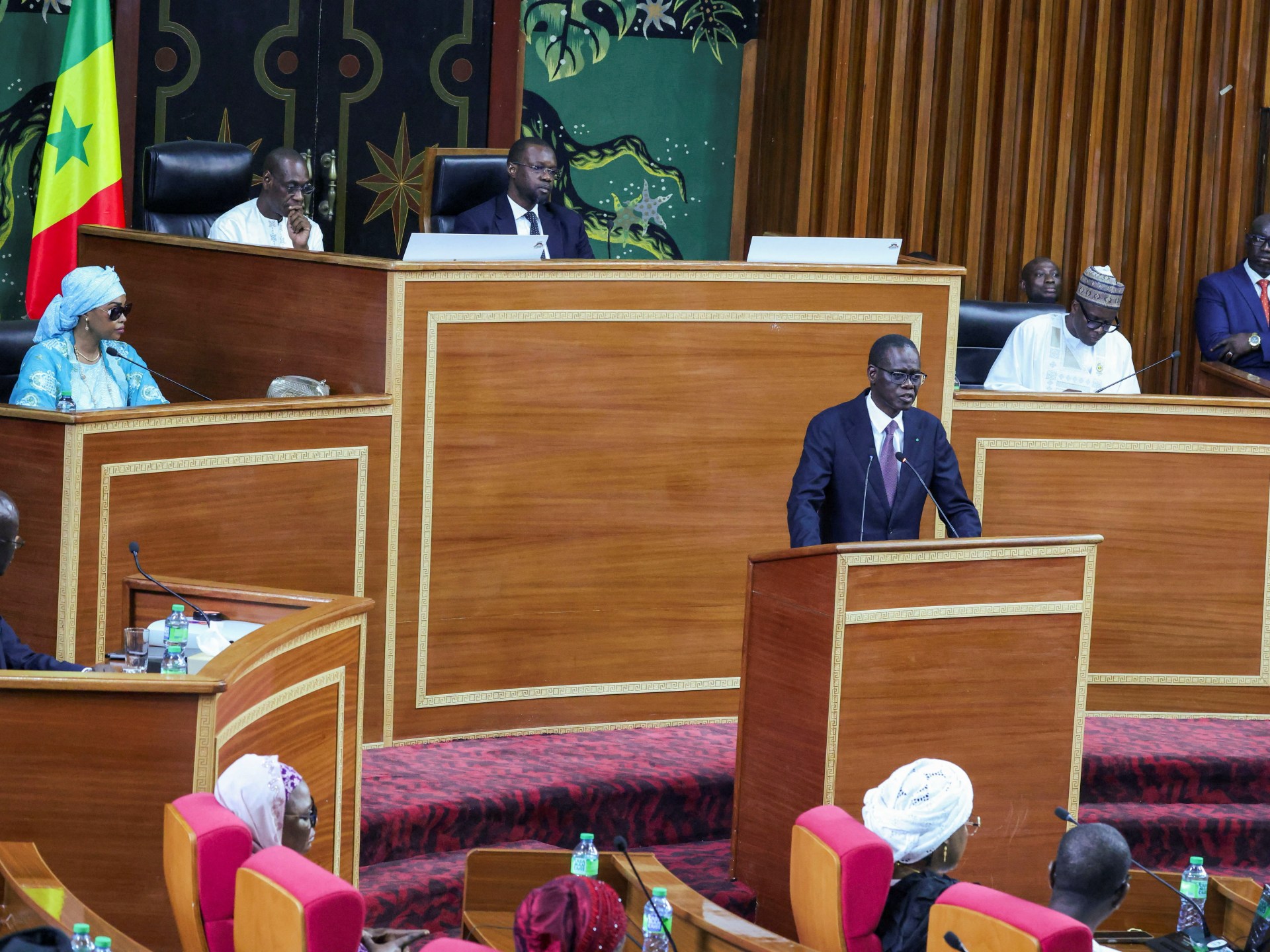
Senegal's mounting debt burden has renewed focus on the country's economic policy framework, with analysts warning that conventional approaches are no longer viable for restoring fiscal health and national sovereignty.
The West African nation has long relied on structural adjustment programs imposed by international lenders, but these mechanisms have repeatedly failed to address underlying economic vulnerabilities while constraining government spending on development priorities. The cumulative effect has been a deepening debt trap that limits policy flexibility and perpetuates economic dependence on foreign creditors.
Economists across the region are calling for a comprehensive reassessment of Senegal's borrowing and fiscal management strategies. Rather than pursuing austerity measures that compress public investment, authorities are being urged to explore alternative frameworks that prioritize sustainable growth, revenue mobilization, and strategic debt reduction.
The challenge reflects broader tensions across sub-Saharan Africa, where countries struggle to balance debt servicing obligations with pressing development needs. For Senegal to reclaim meaningful economic autonomy, policymakers must demonstrate willingness to depart from established lending conditionality and implement homegrown solutions tailored to local economic realities.
Senegal's government has signaled openness to revising its approach, positioning the nation's economic trajectory as a potential model for other African nations seeking alternatives to traditional debt management paradigms.