World · Singapore Bureau
Seoul charts Arctic shipping course despite mounting commercial obstacles
South Korea is championing the development of regular Arctic maritime routes as a strategic priority, though significant diplomatic and economic hurdles remain. The country's push to establish consistent services by 2030 reflects broader regional ambitions to reshape global trade patterns.
LSN Singapore ·
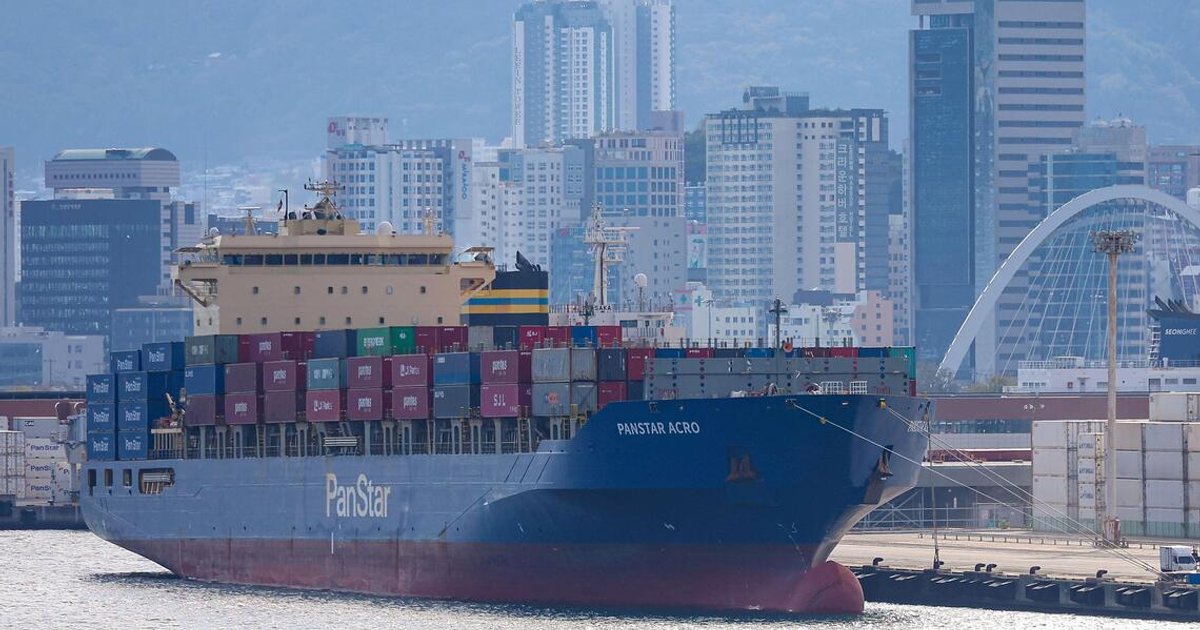
South Korea has welcomed the return of a container vessel from an Arctic voyage, signalling the government's continued commitment to developing polar shipping corridors. The arrival underscores Seoul's determination to position the nation as a key player in emerging Arctic trade, particularly as climate change makes previously impassable routes increasingly navigable.
The initiative reflects broader strategic calculations among Asian nations seeking alternative shipping pathways that could reduce transit times and costs compared to traditional routes through the Suez Canal. For Seoul, Arctic development offers potential economic and geopolitical benefits, especially given the region's proximity and the country's advanced maritime capabilities.
However, the viability of establishing regular commercial services remains uncertain. Operators face substantial hurdles including unpredictable ice conditions, limited port infrastructure, sparse search-and-rescue facilities, and the absence of established maritime governance frameworks in Arctic waters. Environmental concerns and geopolitical tensions also complicate route development.
Despite these challenges, South Korean officials have signalled their intention to launch routine Arctic container services by 2030. Success would require substantial infrastructure investment, international coordination, and resolution of competing territorial and commercial interests among Arctic nations. Industry observers remain cautiously sceptical about meeting such timelines, though acknowledge the long-term strategic importance of Arctic logistics development.