World · Singapore Bureau
Seoul grapples with pungent ginkgo tree problem amid urban planning debate
South Korea's capital is facing mounting complaints over the foul odour emitted by female ginkgo trees, reigniting discussions on whether to replace them with male specimens. The issue highlights the tension between preserving the city's iconic autumn foliage and managing urban environmental concerns.
LSN Singapore ·
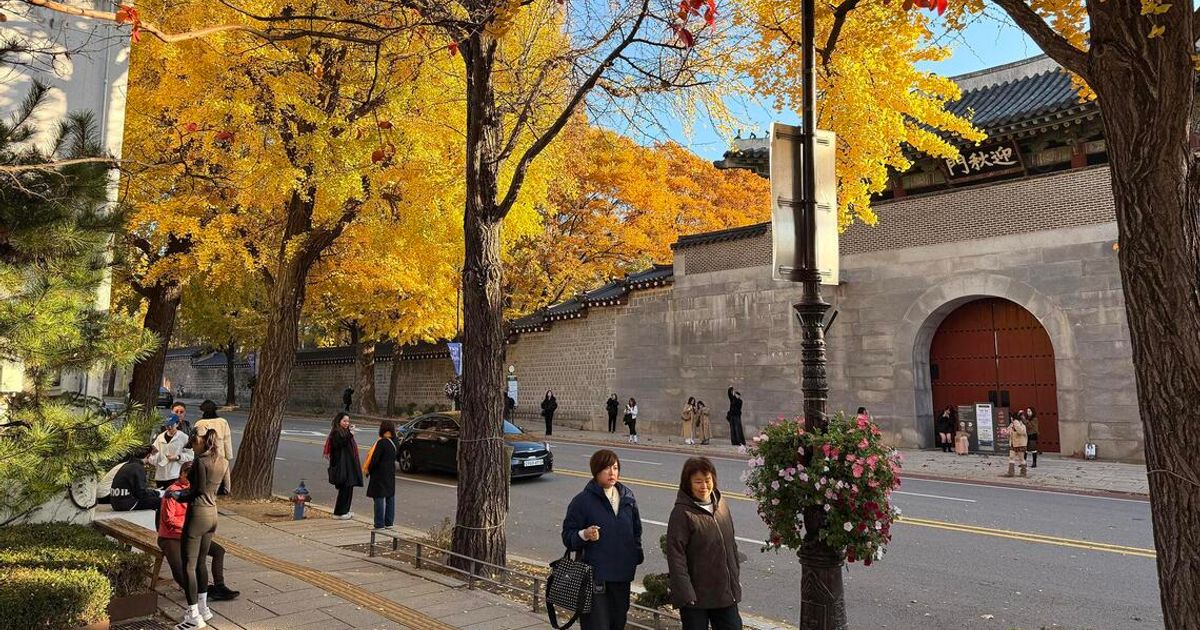
Seoul's celebrated ginkgo trees, renowned for their golden autumn displays, are becoming a source of frustration for residents and city officials battling the distinctive stench produced by fallen female fruit. The pungent odour, which intensifies during the autumn season, has prompted numerous complaints from commuters and pedestrians, particularly in areas with high concentrations of mature female trees.
The foul smell originates from the ginkgo fruit's butyric acid content, which resembles rotten butter or decomposing organic matter. As temperatures drop and fruit falls to the ground, the odour becomes increasingly pronounced, affecting busy commercial districts and public spaces throughout the city.
The controversy has rekindled debate among urban planners, botanists, and environmental advocates over Seoul's tree management strategy. Proponents of replacing female trees with male specimens argue the move would eliminate the nuisance while maintaining the city's prized ginkgo canopy. Critics contend that such large-scale replacement programs would be costly, environmentally disruptive, and represent an unnecessary intervention in the urban ecosystem.
Since ginkgos are dioecious trees—producing either male or female reproductive organs—city authorities have begun evaluating whether selective replanting initiatives could address public concerns without compromising Seoul's distinctive autumn landscape. The debate underscores broader questions about managing nature in densely populated urban environments and balancing aesthetic, practical, and ecological considerations.