World · India Bureau
Seoul grows sustainable building walls from mushrooms and farm waste
South Korean researchers have developed an innovative construction material made from mushroom mycelium and agricultural byproducts, offering a renewable alternative to conventional building materials. The bio-based walls were grown rather than manufactured, demonstrating a novel approach to sustainable architecture.
LSN India ·
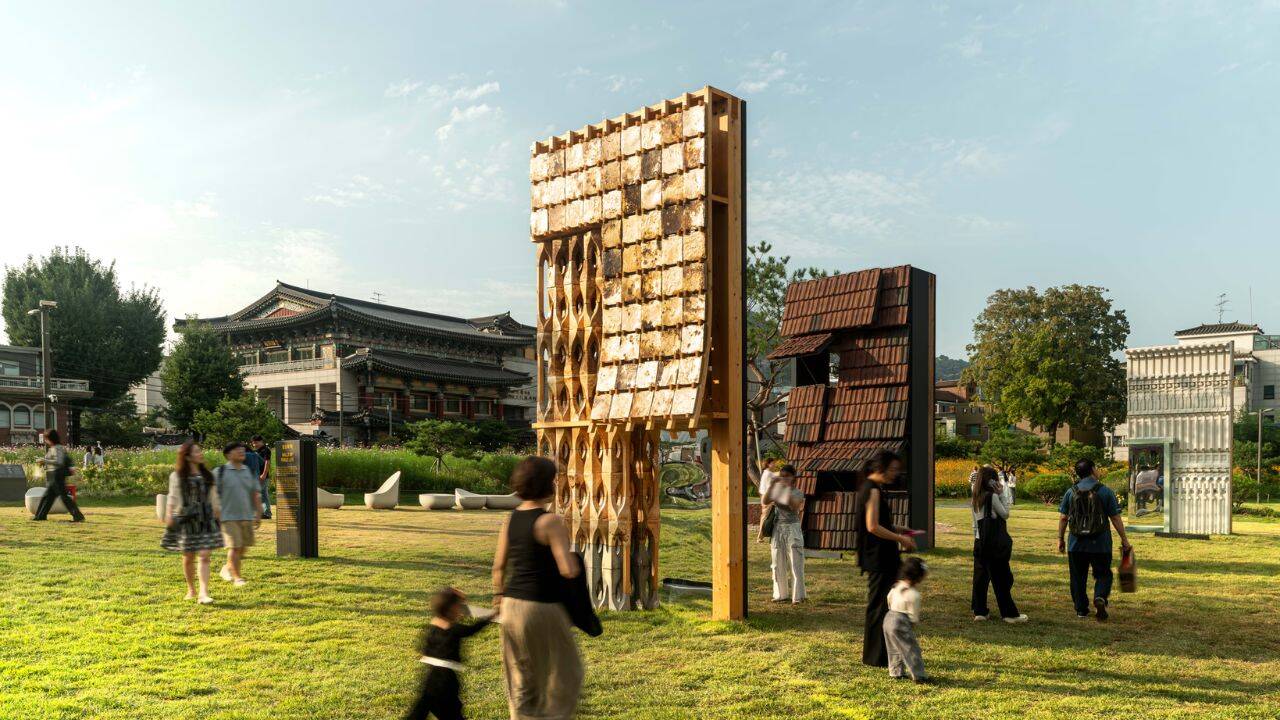
Researchers in Seoul have successfully created structural walls using mushroom mycelium and farm waste, marking a significant breakthrough in sustainable construction practices. Rather than relying on traditional manufacturing processes, the walls were cultivated through biological growth, with the mycelium acting as a natural binder for agricultural residue.
The composite material combines the structural properties of fungal networks with locally available farm waste, creating a lightweight yet durable building component. This approach addresses two environmental challenges simultaneously: it provides a productive use for agricultural byproducts that might otherwise be discarded, while eliminating the energy-intensive manufacturing processes typically required for conventional construction materials.
The bio-engineered walls demonstrate the potential for architecture to shift toward circular economy principles, where building materials are grown from renewable resources rather than extracted from finite reserves. The development aligns with global efforts to reduce the construction industry's carbon footprint, which currently accounts for a substantial share of worldwide emissions.
As urbanization accelerates across Asia, innovative materials such as these could provide developing regions with cost-effective and environmentally responsible construction solutions. The Seoul project exemplifies how advances in biotechnology and materials science are enabling cities to rethink their relationship with building practices and resource consumption.