Politics · Singapore Bureau
Seoul's green spaces become flashpoint in political dispute
As South Korea's densely populated capital grapples with housing pressures and limited greenery, disputes over park development have escalated into a high-profile clash between city leadership and the presidency.
LSN Singapore ·
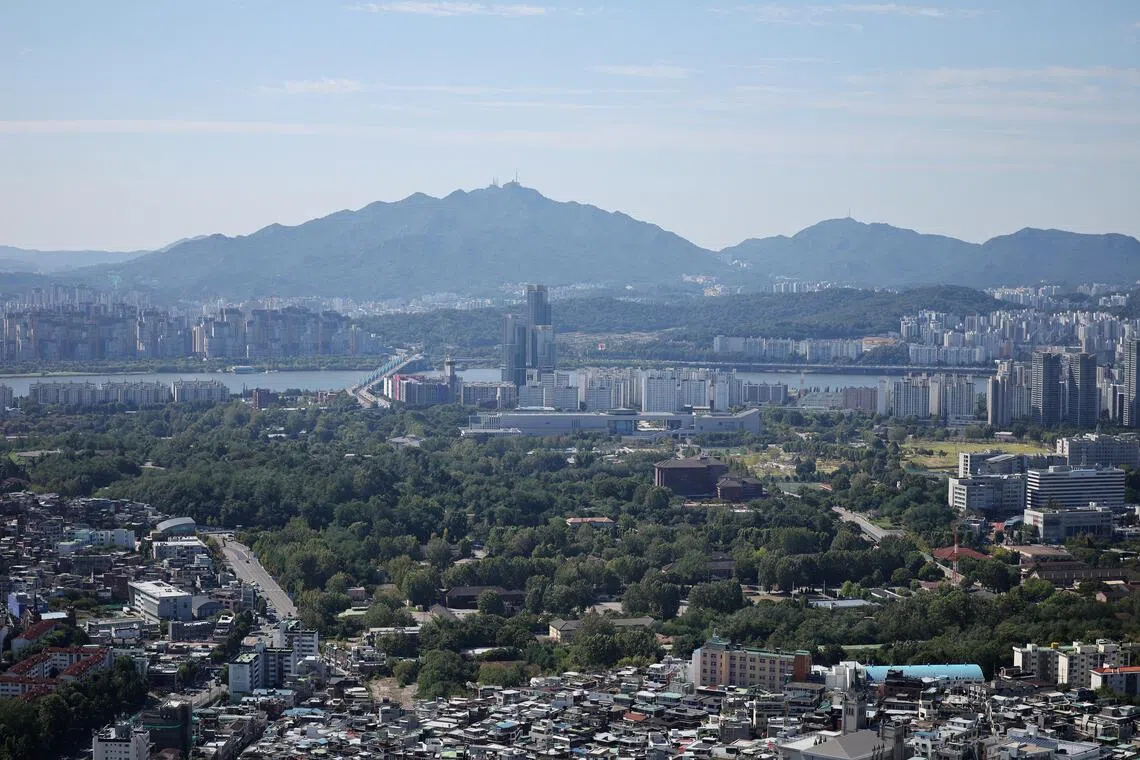
Seoul's status as one of the world's most densely populated major cities—with approximately 16,000 residents per square kilometre—has created competing demands for limited urban land. The tension between housing needs and environmental preservation has become increasingly visible at the municipal level, where decisions about park expansion and green space allocation carry significant political weight.
The dispute reflects broader challenges facing rapidly urbanised Asian capitals seeking to balance rapid development with quality-of-life concerns. Singapore and other regional cities have faced similar pressures in managing limited land resources while meeting population growth and infrastructure demands.
The conflict between Seoul's mayor and South Korea's presidential administration underscores how environmental policy decisions have become weaponised in local politics. Each side has framed the debate in terms of public benefit—one emphasising housing accessibility for residents, the other prioritising urban green space for public health and environmental sustainability.
Analysts note that Seoul's situation mirrors challenges across East Asia's major metropolitan centres, where governments must navigate between development interests and growing public demand for accessible parks and recreational areas. The outcome of this dispute may influence how other densely populated cities approach similar land-use decisions.