World · Malaysia Bureau
Sepang chaos exposes systemic transport challenges across Malaysia
A major traffic gridlock at Sepang International Circuit has laid bare transportation infrastructure weaknesses that plague Malaysian cities. The incident underscores ongoing capacity and planning issues in the country's mobility networks.
LSN Malaysia ·
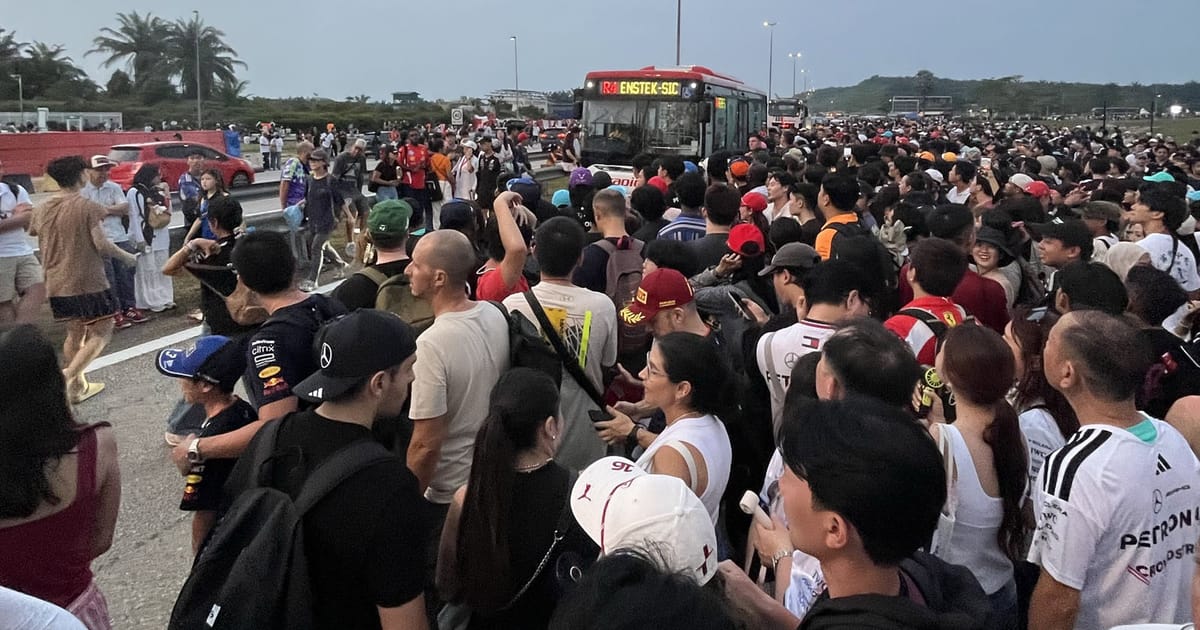
A severe traffic congestion episode at Sepang International Circuit has highlighted critical vulnerabilities in Malaysia's transport infrastructure that extend far beyond a single location. The gridlock, which disrupted weekend travel for thousands, demonstrated how quickly the nation's road networks can become overwhelmed when demand spikes unexpectedly.
The incident at Sepang revealed inadequate planning mechanisms for managing high-volume events and the lack of coordinated traffic management systems across major routes. Road capacity constraints, insufficient public transport alternatives, and poor inter-agency communication all contributed to the breakdown, creating a cascading effect that affected commuters far beyond the immediate area.
Transport experts have pointed to the episode as emblematic of broader structural problems facing Malaysian cities. Rapid urbanization has outpaced infrastructure development, while existing roads operate near maximum capacity during peak periods. The absence of real-time traffic data sharing and contingency protocols meant authorities struggled to implement effective diversionary measures.
The Sepang gridlock serves as a stark reminder that Malaysia's transport challenges require comprehensive, long-term solutions. These must address capacity expansion, integrated public transport networks, and improved coordination between federal and state authorities to prevent similar disruptions affecting the travelling public.