World · Malaysia Bureau
September 11 attacks reshaped American political landscape with lasting effects
Two decades after the 9/11 terrorist attacks on the United States, scholars and analysts continue to examine the profound domestic political consequences that extended far beyond security measures. The attacks fundamentally altered American political discourse, introducing new dimensions to national debates.
LSN Malaysia ·
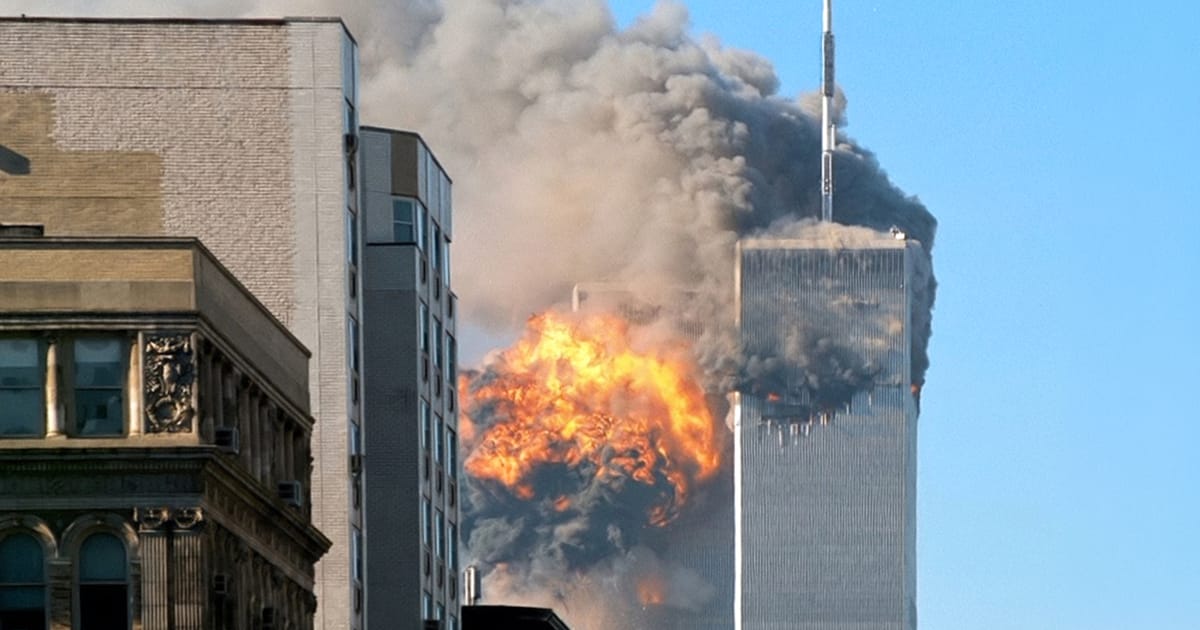
The September 11, 2001 attacks on the United States triggered seismic shifts in American domestic politics that reverberated through subsequent decades. Beyond the immediate security responses and foreign policy realignments, the attacks injected xenophobic sentiments into mainstream political discourse at unprecedented levels, reshaping how political leaders engaged with issues of immigration, religious minorities, and national identity.
Analysts note that the attacks accelerated existing political polarization while introducing new fault lines in American society. Political rhetoric surrounding national security became increasingly intertwined with attitudes toward immigrant communities and religious groups, particularly Muslim Americans. These divisions, once introduced into the political mainstream, proved remarkably durable, influencing electoral campaigns, legislative priorities, and public policy debates well into subsequent administrations.
The legacy of 9/11 extended to fundamental changes in surveillance practices, border security frameworks, and the balance between civil liberties and national security—issues that continue to divide American political opinion. Scholars examining the attacks' domestic impact have documented how the immediate post-9/11 period normalized discourse patterns that had previously occupied the political periphery, establishing new parameters for acceptable public debate on matters of national belonging and security.
For Malaysia and other diverse, multi-ethnic societies in the region, the American experience following 9/11 offers instructive lessons about how security crises can intersect with broader questions of social cohesion and political inclusion. The trajectory of post-9/11 American politics demonstrates the potentially lasting consequences when security concerns become entangled with attitudes toward particular demographic or religious communities.