World · World News Bureau
September 11 attacks reshaped global security vocabulary and human rights discourse
The 2001 terrorist attacks in New York and Washington introduced terminology that fundamentally altered how governments and media discussed security measures and military operations. Language experts say the new lexicon helped normalize policies that critics argue eroded civil liberties and international humanitarian standards.
LSN World News ·
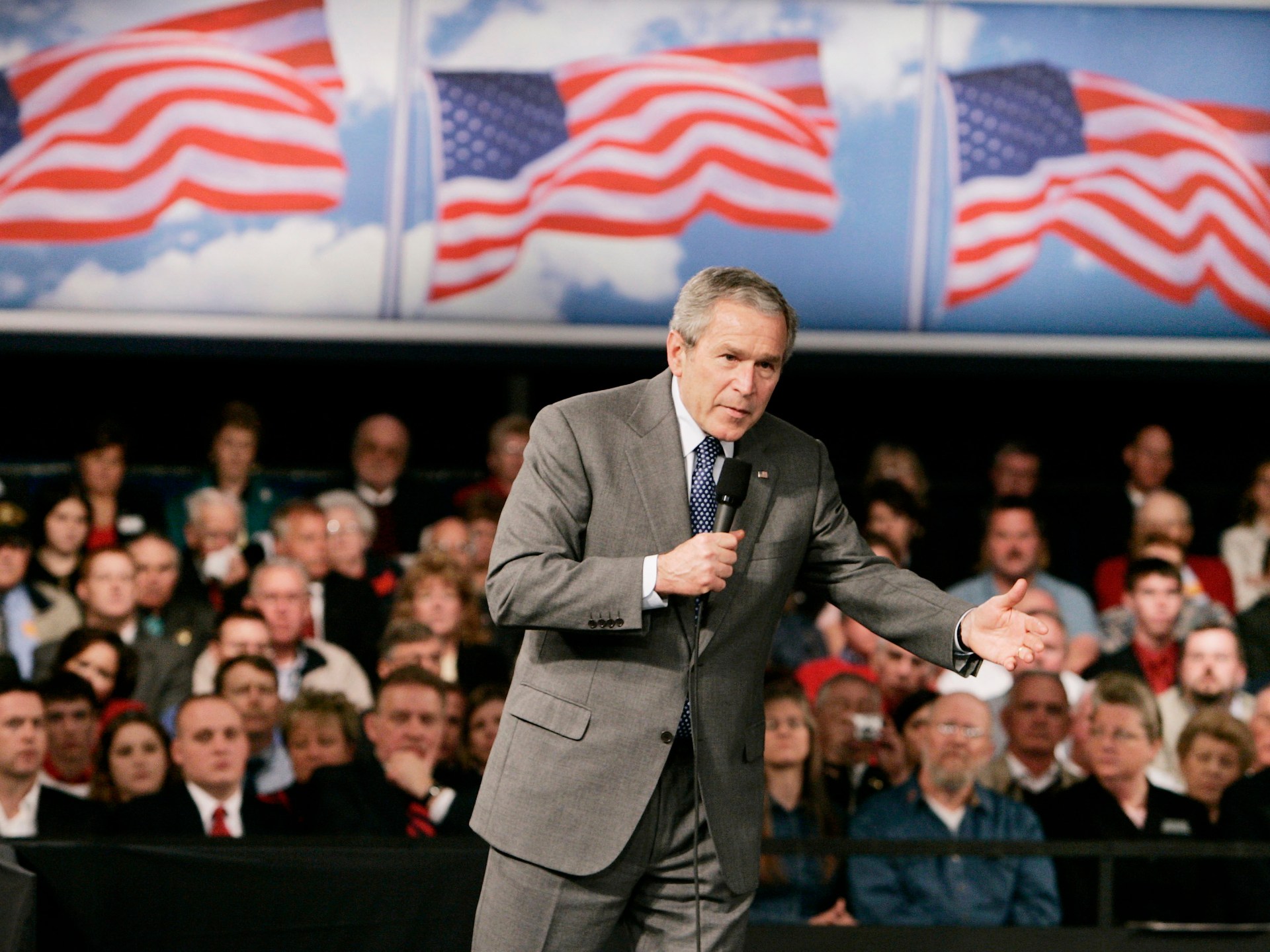
The September 11, 2001 attacks sparked a wholesale transformation in the language used to describe counterterrorism operations and security policies worldwide. Terms such as "enhanced interrogation," "extraordinary rendition," and "collateral damage" entered mainstream discourse, fundamentally reshaping how conflicts were discussed in political and media spheres.
Linguists and human rights observers have documented how this new vocabulary effectively created semantic distance between actions and their consequences. Detention facilities became "black sites," torture evolved into "aggressive questioning techniques," and civilian deaths in military operations were classified as "collateral damage" rather than casualties. This linguistic shift allowed governments to discuss controversial security measures in clinical, sanitized terms.
The expansive interpretation of security threats following 2001 led to the normalization of previously contested practices across multiple nations in South Asia, Southeast Asia, and beyond. Surveillance programs, indefinite detention, and military interventions were justified through this recalibrated vocabulary, which reformulated complex ethical and legal questions into matters of national security necessity.
More than two decades later, scholars and human rights advocates continue examining how language shaped public acceptance of security policies. The terminology introduced during this period remains embedded in government communications, intelligence briefings, and policy documents, illustrating the enduring influence of post-9/11 discourse on contemporary security practices and international norms.