Politics · Malaysia Bureau
Serbian student movement's electoral success raises questions for Malaysia
A student-led political force in Serbia has outperformed established parties in recent polls, prompting observers to assess whether similar grassroots movements could gain traction in Malaysia's political landscape.
LSN Malaysia ·
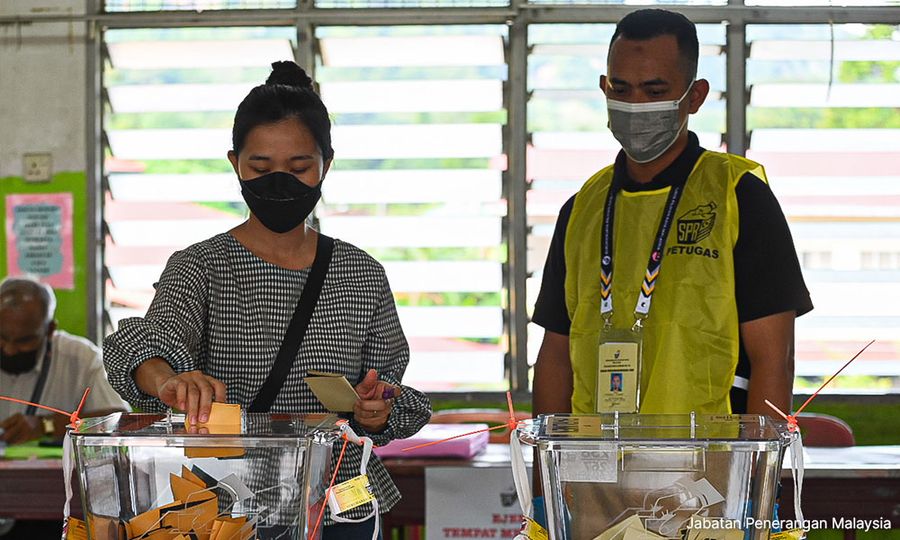
Student activism in Serbia has achieved unprecedented electoral momentum, with youth-led political movements capturing significant voter support and surpassing traditional party establishments in polling data. The phenomenon reflects broader discontent with conventional political structures and has drawn international attention as an example of generational shift in electoral preferences.
Malaysia's political environment presents distinct challenges for replicating such a trajectory. The country's mixed electoral system, which combines federal and state-level governance with complex constituency boundaries, creates structural barriers that differ substantially from Serbia's framework. Additionally, Malaysia's regulatory environment governing political participation and youth mobilisation operates under different legal parameters.
Domestic analysts note that while Malaysian youth demonstrate significant political engagement through digital platforms and civil society initiatives, translating grassroots momentum into formal electoral gains remains complicated. Existing party structures maintain organisational advantages, though observers acknowledge growing voter appetite for alternative political voices.
Experience in other regional democracies suggests that student-driven political movements require sustained institutional development, financial resources, and strategic coalition-building to maintain electoral competitiveness over multiple election cycles. Whether Malaysian youth movements can navigate these requirements remains an open question for political observers monitoring evolving patterns in Southeast Asian electoral politics.