World · India Bureau
Seven decades on, Kerala charts distinct secular path amid India's shifting politics
As majoritarian nationalism gains ground across India, Kerala's seven-decade journey reflects an alternative model rooted in pluralism and secular governance. The southern state's approach offers a contrasting vision to dominant political currents reshaping the nation.
LSN India ·
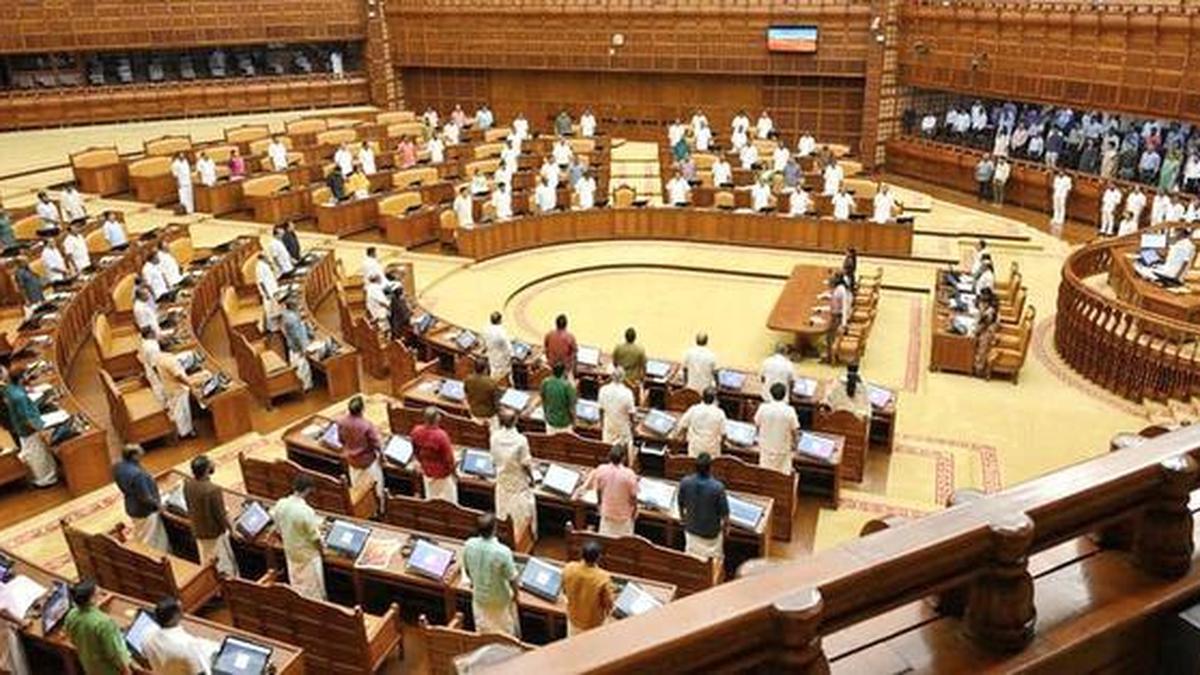
Kerala's seven decades of statehood have been marked by a consistent commitment to secular principles and religious pluralism, even as majoritarian political movements have expanded their influence across India. The state's foundational emphasis on inclusive governance and minority rights has persisted through successive governments, institutional frameworks, and social movements, establishing it as a distinctive political entity within the Indian union.
The state's trajectory reflects decades of investment in social infrastructure, education, and healthcare that transcended religious and communal divisions. This approach produced India's highest literacy rates, lowest infant mortality, and relatively equitable development indicators—outcomes achieved through policies explicitly designed to benefit all communities regardless of faith or caste background.
Kerala's political culture has historically accommodated multiple ideological streams, from communist movements to Hindu nationalist organisations, within a framework that prioritises democratic participation and constitutional values. This pluralistic tradition has enabled the state to maintain communal peace during periods of significant tension elsewhere in India, though contemporary political challenges continue to test these institutional and social foundations.
As nationalist movements emphasising Hindu majoritarianism gain political momentum in various Indian states, Kerala's persistent articulation of secular and pluralist governance models presents an alternative framework for national discourse. The state's experience suggests that sustained commitment to constitutional secularism and inclusive development policies can coexist with robust democratic competition and ideological diversity.