World · India Bureau
Seven Japanese Kitchen Habits Keep Counters Clear and Clutter-Free
Adopting simple daily routines practised in Japanese households can help eliminate the perpetual pile-up of dirty dishes and wet countertops. Small but consistent habits enable kitchens to remain organised throughout the day and sparkling clean by morning.
LSN India ·
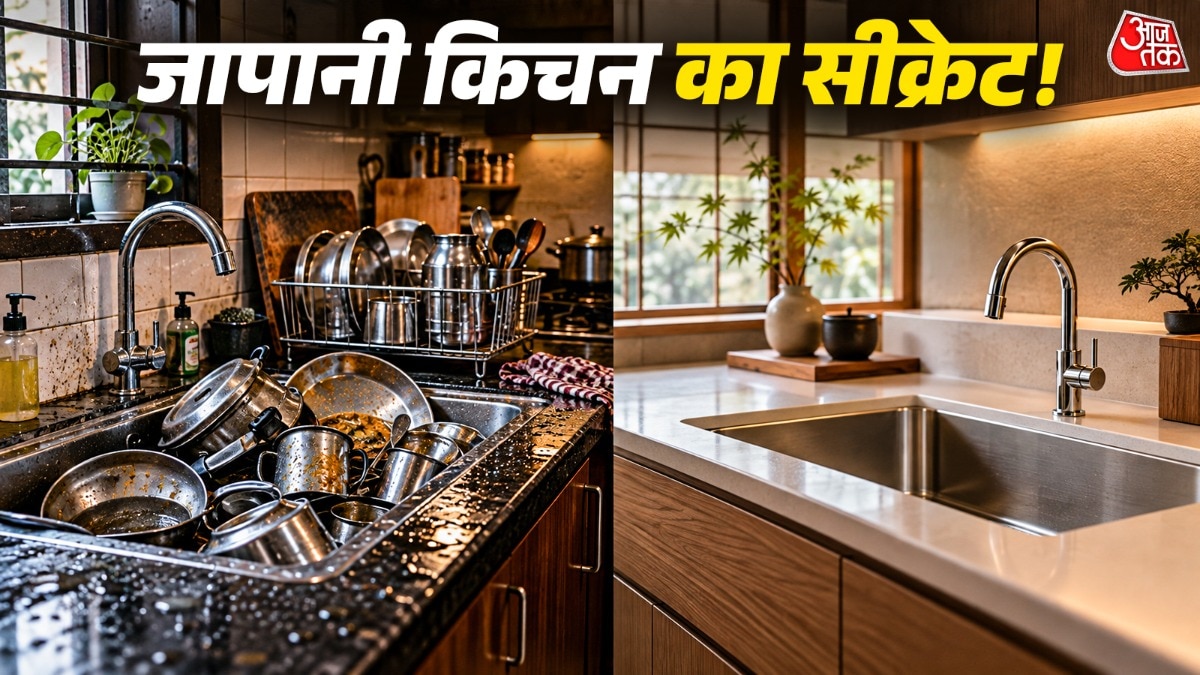
Japanese kitchens are known for their efficiency and cleanliness, qualities that stem not from expensive appliances or elaborate systems but from disciplined daily practices. Home organisers and kitchen experts point to seven straightforward habits that Japanese households employ to maintain orderly cooking spaces without the accumulation of clutter that often plagues modern kitchens.
The core principle underlying these practices is immediate action—addressing spills and soiling as they occur rather than allowing them to accumulate. By washing dishes promptly after use, wiping countertops during food preparation, and returning items to designated storage spaces, Japanese kitchens maintain functionality and hygiene simultaneously. These micro-habits, when performed consistently, prevent the common problem of overwhelming dish piles and waterlogged work surfaces that demand intensive cleaning sessions.
Implementing these practices systematically throughout the day allows individuals to complete kitchen cleaning by evening, ensuring a fresh, organised workspace upon waking. The approach emphasises prevention over remediation, reducing the time and effort required for deep cleaning while promoting a more pleasant cooking environment. Experts suggest that adopting even a subset of these Japanese kitchen habits can produce noticeable improvements in household organisation and daily routine efficiency.