Business · India Bureau
Seychelles island transforms into seabird sanctuary after 1973 conservation effort
Aride Island, once stripped bare by commercial exploitation, has emerged as a vital breeding ground for over one million seabirds annually. The transformation began with a visionary conservation investment five decades ago and continues through sustained ecological restoration efforts.
LSN India ·
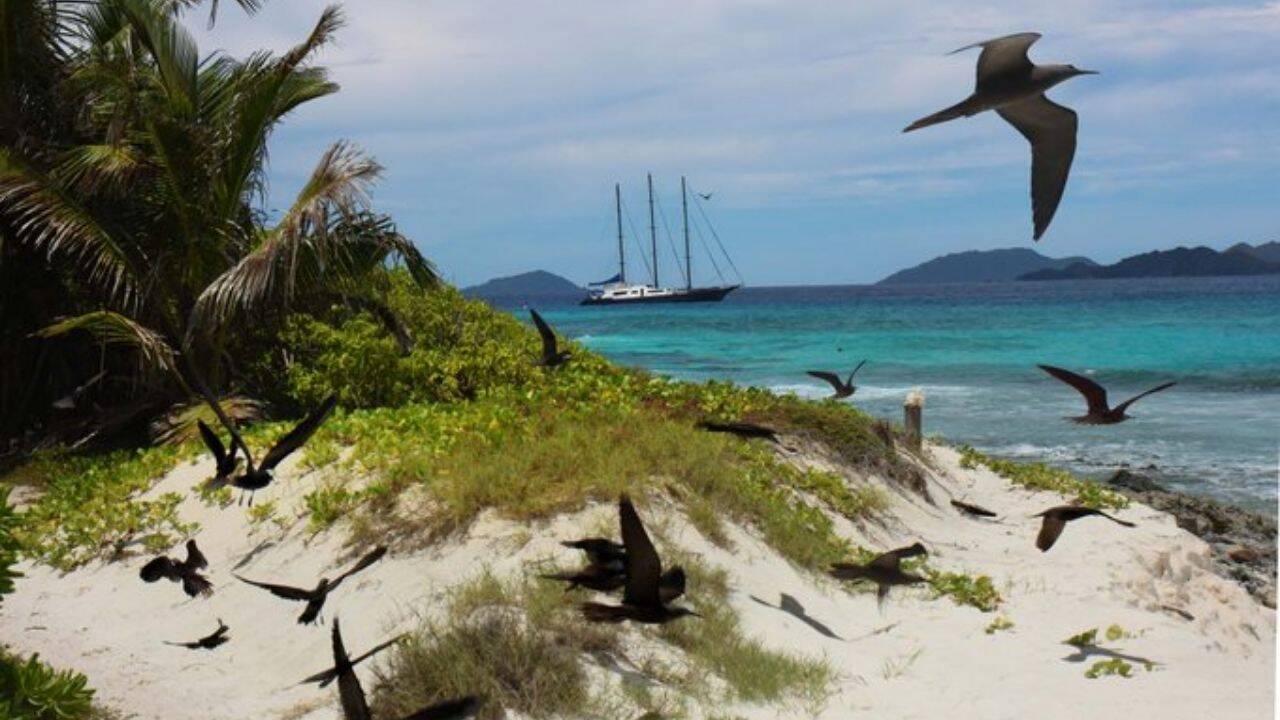
Aride Island in the Seychelles stands as a testament to the power of long-term environmental stewardship. Once ravaged by resource extraction that left the island severely degraded, the 68-hectare atoll has undergone a dramatic ecological revival since being established as a nature reserve in 1973 following investment by British industrialist Christopher Cadbury.
Today, the island hosts approximately one million breeding seabirds representing ten distinct species, making it one of the Indian Ocean's most important avian sanctuaries. The dramatic recovery from its depleted state underscores the resilience of natural ecosystems when given protection from exploitation and human disturbance.
The restoration of Aride Island has required consistent commitment to habitat rehabilitation and species protection. Conservationists have worked systematically to remove invasive species, restore native vegetation, and create conditions conducive to breeding seabirds. This comprehensive approach has enabled the island's wildlife populations to rebound substantially from their historic lows.
The Seychelles' success with Aride Island provides a model for conservation efforts across the Indian Ocean region, demonstrating that environmental degradation need not be permanent. The island's transformation illustrates how strategic investment in nature reserves and dedicated ecological management can restore landscapes to productive use as havens for biodiversity, offering benefits that extend far beyond immediate economic considerations.