World · India Bureau
Seychelles island transforms into seabird sanctuary after five decades of restoration
Bird Island in the Seychelles has emerged as a conservation success story, with its sooty tern population recovering dramatically following decades of ecological restoration. The transformation began in 1967 when conservationist Guy Savy and partners acquired the island and initiated habitat restoration efforts.
LSN India ·
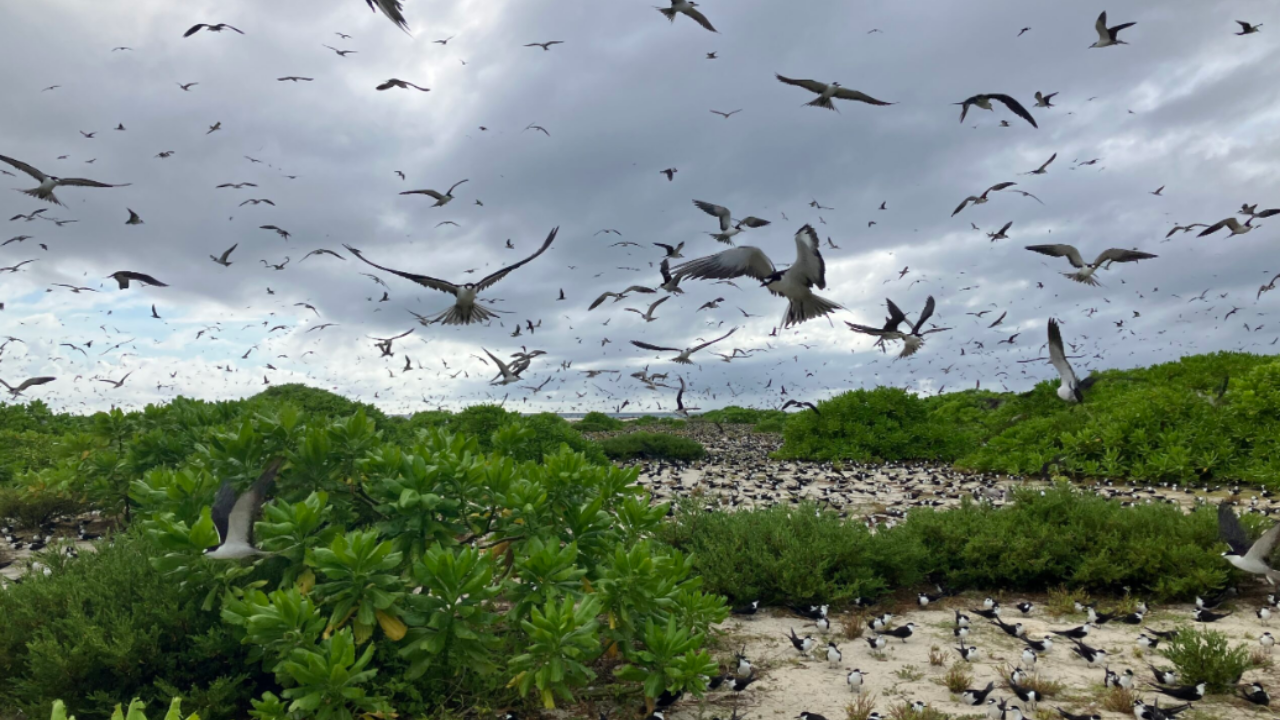
Bird Island, located in the Seychelles archipelago, was once severely degraded by years of exploitation and agricultural activity that devastated its natural ecosystems. The island's environment had deteriorated to the point where its seabird populations faced significant decline, reflecting the broader ecological crisis affecting many island habitats across the Indian Ocean region.
When Guy Savy and his associates assumed management of the island in 1967, they embarked on an ambitious restoration programme aimed at rehabilitating the damaged habitat. Rather than pursuing extractive industries, they pioneered an alternative approach that combined active conservation with sustainable eco-tourism, demonstrating a model that could balance economic activity with environmental protection.
Over the following decades, the systematic restoration efforts yielded remarkable results. The island's seabird colonies, particularly the sooty tern population, experienced significant recovery as nesting habitats were restored and protected. The success of Bird Island's transformation has provided compelling evidence that long-term commitment to conservation can effectively reverse ecological damage and restore biodiversity to previously compromised ecosystems.
The island's recovery has attracted international attention as a case study in successful habitat restoration. Conservation experts point to Bird Island as proof that damaged ecosystems in the Indian Ocean region need not remain permanently degraded, and that sustained investment in restoration can yield substantial ecological gains over multi-generational timescales.