Politics · India Bureau
SEZ goods refund rule offers partial relief as implementation gaps persist
India's updated Special Economic Zone regulations now permit customs duty refunds on returned goods following failed deliveries, though compressed timelines and lingering drawback disputes continue to create practical challenges for traders and domestic buyers.
LSN India ·
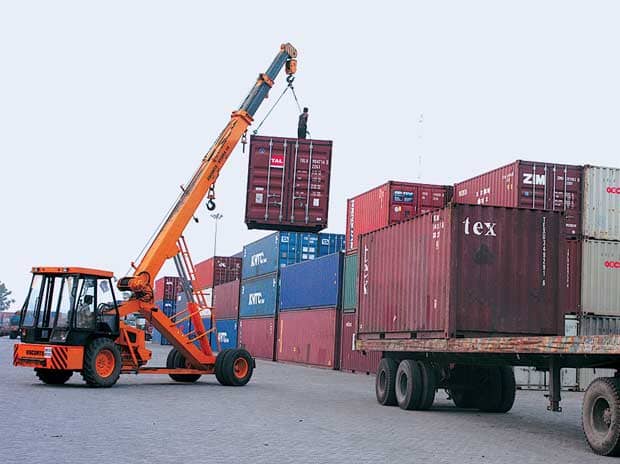
The government has introduced new provisions under SEZ rules designed to streamline the customs duty refund process when goods are returned after unsuccessful delivery attempts. The move addresses longstanding grievances from exporters and domestic purchasers who previously faced financial penalties when transactions fell through, offering a more flexible framework for managing failed shipments.
Under the revised framework, goods returned to SEZ units following failed exports or domestic sales are now eligible for duty refunds, eliminating previous restrictions that effectively penalised traders for circumstances beyond their control. The policy recognises the commercial realities of international and domestic trade, where delivery failures can occur due to buyer defaults, logistical disruptions, or market changes.
However, implementation challenges threaten to limit the policy's effectiveness. A stringent deadline for initiating refund claims compresses the processing window, potentially catching traders unaware or preventing timely applications. Additionally, overlapping issues surrounding existing drawback disputes remain unresolved, creating ambiguity about how the new rules interact with pending claims and previous denials.
Industry stakeholders have flagged concerns that without further clarification and extended timeframes, the relief offered may prove illusory for many smaller exporters and domestic buyers. Officials have indicated further guidelines may be issued to address implementation gaps, though no timeline has been specified.
The government's approach reflects an attempt to modernise SEZ regulations while balancing revenue considerations with trade facilitation—a tension that continues to shape customs policy across South Asia's largest economy.