World · India Bureau
Shah Commission finds DMK detentions during Emergency violated MISA spirit
A judicial inquiry has concluded that opposition party members in Tamil Nadu were held under the Maintenance of Internal Security Act on questionable grounds during India's Emergency period. The findings reveal widespread misuse of detention powers against political opponents.
LSN India ·
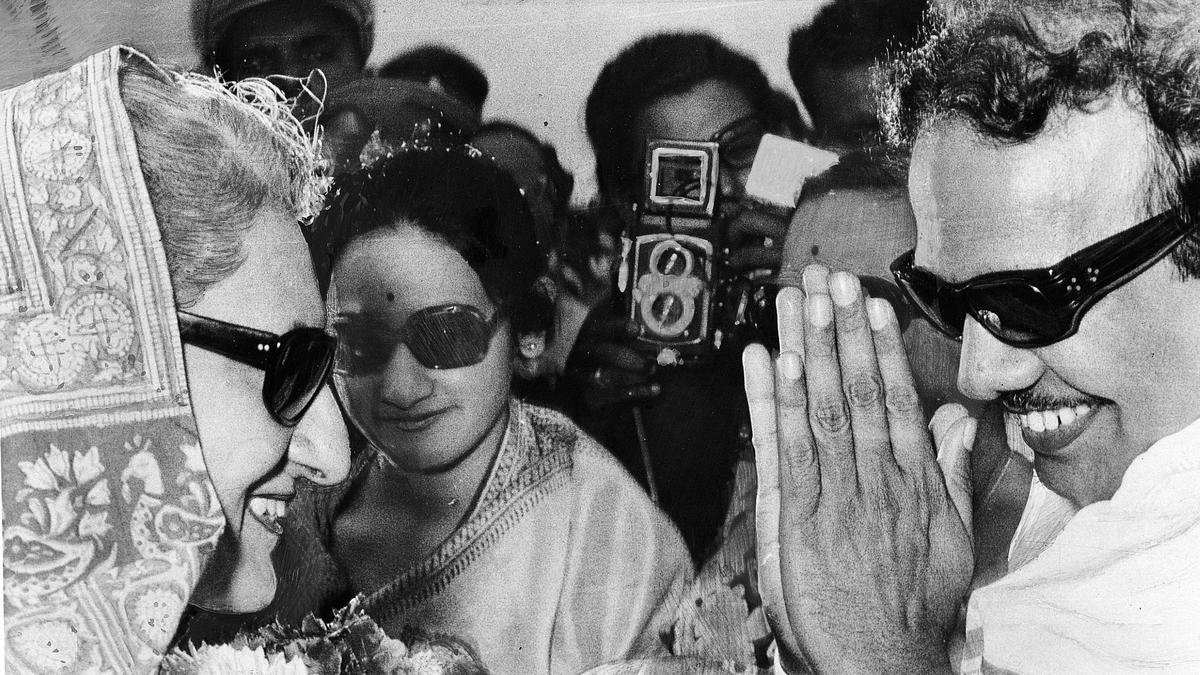
The Shah Commission has determined that detentions of Dravida Munnetra Kazhagam (DMK) members and other opposition figures in Tamil Nadu during the Emergency were conducted in violation of the fundamental spirit of the Maintenance of Internal Security Act (MISA), according to findings that underscore the arbitrary use of executive powers during that period.
According to the commission's report, Tamil Nadu authorities detained 1,027 individuals under MISA provisions. Of these, 570 belonged to opposition political parties, while 139 were associated with organisations that had been banned. The remaining 318 were classified broadly as anti-socials, criminals and others—categories the inquiry suggests were vague and subject to interpretation.
The commission's assessment indicates that a substantial majority of detentions targeted political opponents rather than genuine security threats. The broad categorisation of individuals as "anti-socials" and "criminals" without specific substantiation highlights the discretionary nature with which authorities applied detention powers, the findings suggest.
The inquiry's conclusions add to the historical record of MISA's misuse during the Emergency, when the legislation—intended as a national security measure—became a tool for suppressing political dissent. The Tamil Nadu figures reflect a pattern documented across multiple Indian states during this period.
These findings contribute to ongoing assessments of the Emergency era's impact on democratic institutions and individual liberties, serving as a cautionary reference point for discussions on security legislation and executive accountability.