Politics · India Bureau
Shah pushes enhanced security framework for strategic Siliguri Corridor
Union Home Minister Amit Shah has convened a high-level security review at the Siliguri Corridor, India's vulnerable eastern gateway, to strengthen border surveillance and coordination among central forces. The meeting focused on establishing an integrated security mechanism to address challenges at this strategically critical region bordered by Nepal, Bhutan and Bangladesh.
LSN India ·
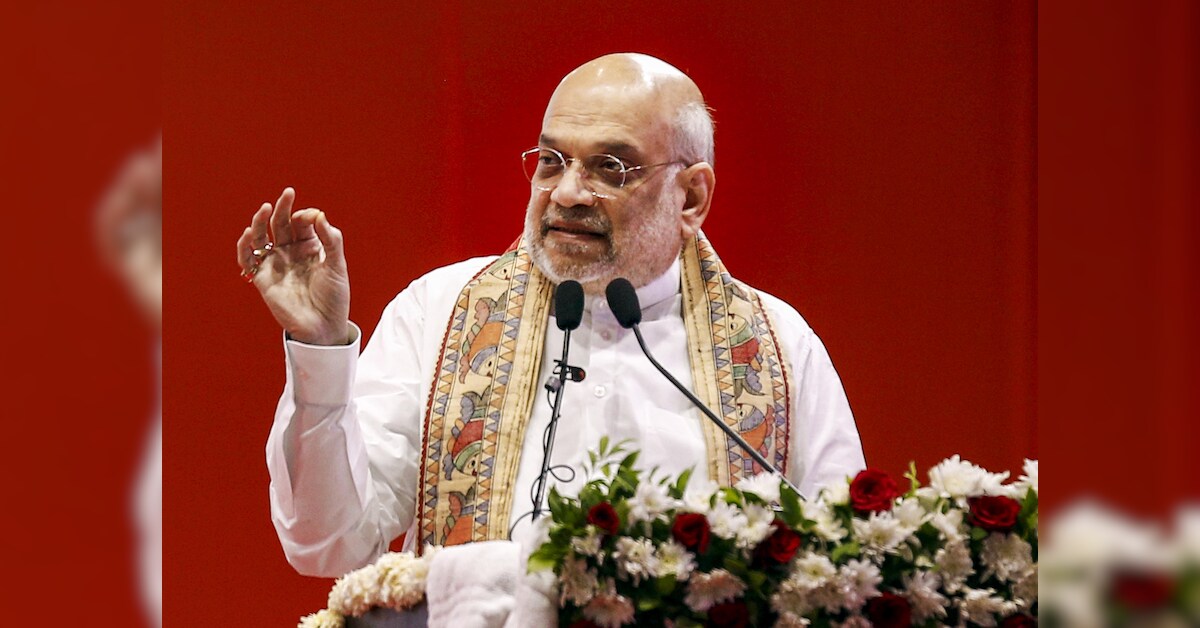
Home Minister Amit Shah held a comprehensive security review with senior officials from West Bengal and central security agencies on Saturday, culminating his three-day visit to the state. The meeting, held at Sukna on the outskirts of Siliguri, brought together top brass from the Border Security Force (BSF) and Sashastra Seema Bal (SSB) alongside state police and administrative leadership to assess current border security arrangements.
The Siliguri Corridor, colloquially known as the 'Chicken's Neck' due to its narrow geographical configuration, represents a critical security zone given its proximity to three international borders. Officials indicated that the primary agenda centred on bolstering surveillance capabilities, streamlining coordination mechanisms between central security forces, intelligence agencies, and state authorities, and developing a structured approach to what officials termed a 'Triangular Security Grid'.
The proposed security framework aims to create an integrated defensive perimeter that leverages resources from multiple agencies operating in the region. The initiative reflects New Delhi's strategic focus on fortifying its northeastern frontiers amid evolving security challenges along the border regions with Bangladesh, Nepal, and Bhutan.
Secure management of the Siliguri Corridor remains critical to India's national security architecture, as the narrow passage serves as the primary terrestrial link connecting the mainland to the northeastern states. Enhanced coordination and surveillance at this chokepoint are expected to improve India's ability to monitor transnational movements and respond swiftly to potential security threats.