World · India Bureau
Shanghai Tower's Extreme Height Creates Dramatic Temperature Shifts Across Floors
China's tallest building experiences significant climate variations between its ground and upper levels, with muggy conditions at street level giving way to frigid temperatures near the top. The phenomenon highlights the architectural challenges posed by the tower's exceptional height.
LSN India ·
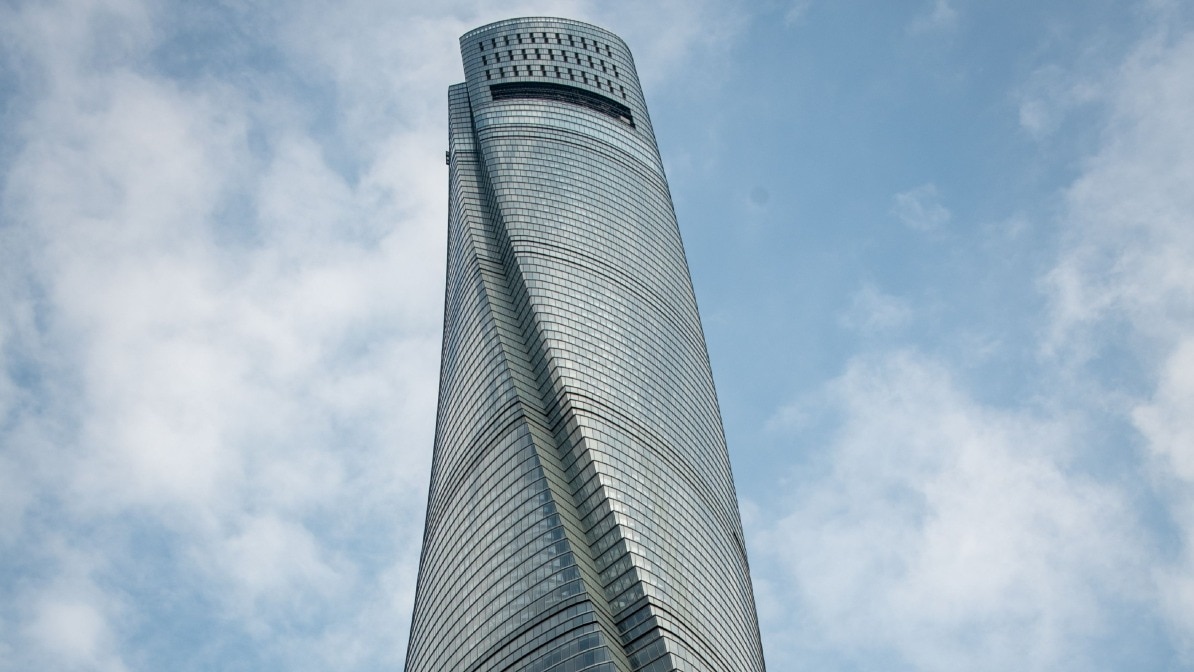
Shanghai Tower, China's highest structure, presents an unusual meteorological phenomenon within its walls: dramatic temperature fluctuations across different floors that create distinct seasonal experiences in a single building.
Visitors and occupants moving through the tower's numerous levels encounter markedly different atmospheric conditions. Ground-level floors are characterized by humid, warm air typical of Shanghai's climate, while ascending to the upper reaches brings progressively cooler temperatures. By the time one reaches the tower's uppermost floors, conditions shift dramatically to cold that is distinctly uncomfortable compared to conditions just below.
This vertical climate variation is a consequence of the tower's extraordinary height and the physics of atmospheric behavior. The 632-meter structure penetrates significantly higher into the atmosphere, where temperatures naturally decrease with altitude. Combined with differences in air circulation, solar exposure, and the building's climate control systems across its 128 floors, these factors create the pronounced temperature differential that occupants experience.
The Shanghai Tower, completed in 2015, remains a remarkable feat of modern engineering. However, the building's extreme height presents ongoing challenges in maintaining consistent environmental conditions throughout its vast vertical expanse, making the temperature variations an unavoidable reality of its design.