World · India Bureau
Shardiya Navratri 2026: Auspicious timings for Ghatasthapana ritual revealed
Devotees observing Shardiya Navratri in 2026 can now plan their Ghatasthapana rituals with precise auspicious timings. The annual autumn festival will see specific windows for performing the sacred pot-installation ceremony.
LSN India ·
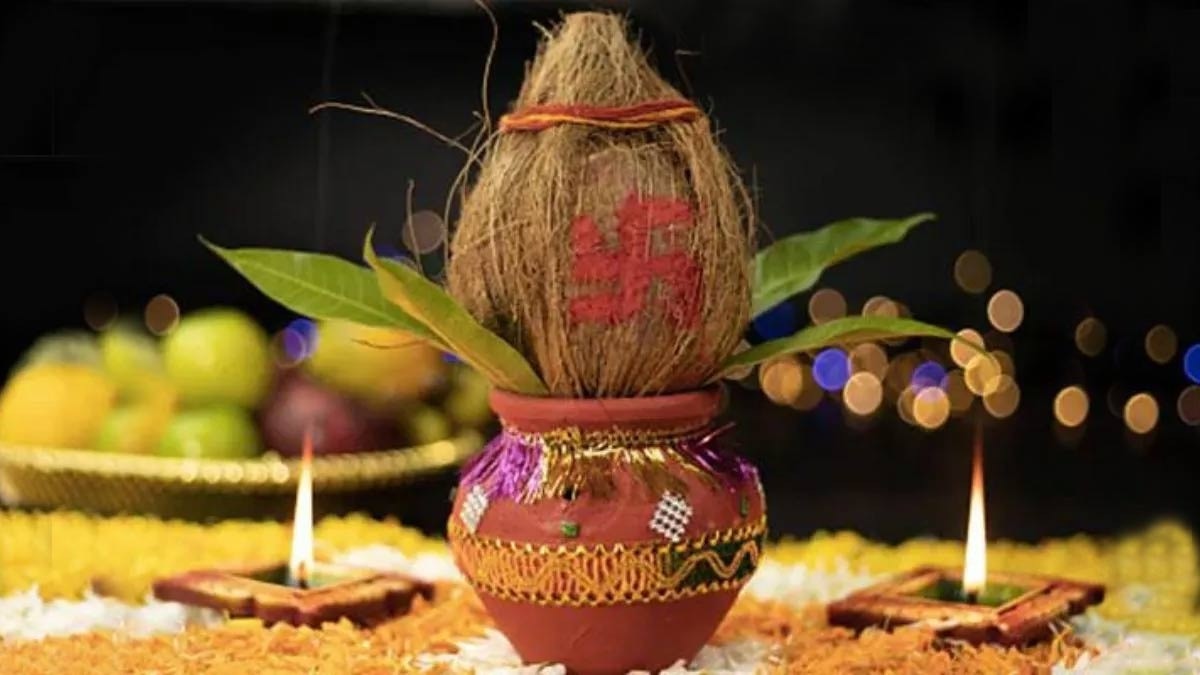
Shardiya Navratri, the nine-day autumn festival dedicated to the worship of Goddess Durga, will commence in 2026 with devotees performing the Ghatasthapana or Kalash Sthapana ritual on the first day. This sacred ceremony marks the beginning of the festive period and involves installing a pot filled with soil and seeds to symbolize the germination of new life and prosperity.
The auspicious timing for Ghatasthapana in 2026 will be constrained within specific hours determined by Hindu lunar calendars and planetary positions. Devotees are advised to perform the ritual during the designated Muhurat, or auspicious time window, to ensure the ceremony's spiritual efficacy. The Abhijit Muhurat, considered among the most propitious periods for any undertaking, will be particularly significant for those seeking optimal results.
Religious practitioners should note that the timing for Ghatasthapana extends only until a particular hour on the first day of Navratri, after which the ritual loses its prescribed sanctity for that cycle. The exact timing varies based on regional interpretations and local temple guidelines, making consultation with experienced priests or reference to validated Hindu almanacs essential.
The proper procedure for Kalash Sthapana involves placing the pot in the prayer room, filling it with soil, and sowing barley or other seeds. Throughout the nine-day festival, devotees water these seeds daily, and by the festival's conclusion, the sprouted shoots are offered as blessed tokens of prosperity and renewal to family members and friends.