Politics · Malaysia Bureau
Shared national loyalty shaped Tan Cheng Lock's Malayan vision
The MCA president has highlighted how the party's founder promoted a sense of 'Malayan consciousness' among the pre-independence Chinese community that transcended cultural boundaries. This unifying vision was instrumental in building support for a cohesive nation among diverse populations.
LSN Malaysia ·
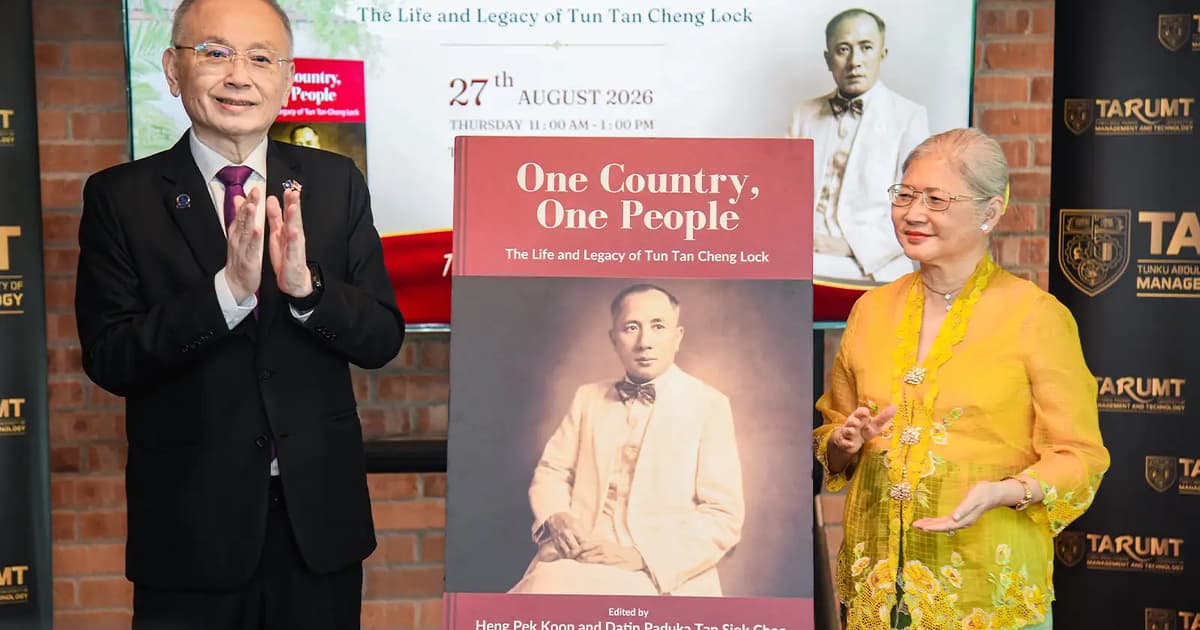
According to party leadership, Tan Cheng Lock's approach to nation-building during the pre-independence era centered on fostering a shared sense of national identity that went beyond ethnic and cultural lines. Rather than emphasizing communal differences, the MCA founder advocated for a 'Malayan consciousness' that united communities under a common commitment to the emerging nation.
The MCA president emphasized that this vision was particularly significant within the Chinese community of the time, many of whom maintained strong ties to China and varied cultural practices. By promoting the concept of a unified Malayan identity, Tan Cheng Lock sought to bridge these differences and create a framework for peaceful coexistence and national solidarity.
This emphasis on shared loyalty and national unity became a defining characteristic of the MCA's foundational philosophy. The party's early leadership believed that transcending community-specific interests in favor of broader national concerns was essential for the success of an independent Malaya.
The remarks underscore the historical role played by the MCA in Malaysia's path to independence and the multicommunal principles that shaped the party's approach to governance and nation-building during a critical period of the country's development.