Technology · World News Bureau
Sharp develops universal satellite antenna to challenge Starlink
Japanese electronics manufacturer Sharp is rolling out a new satellite antenna designed to work with multiple orbital networks, seeking to break Starlink's growing dominance in satellite internet connectivity.
LSN World News ·
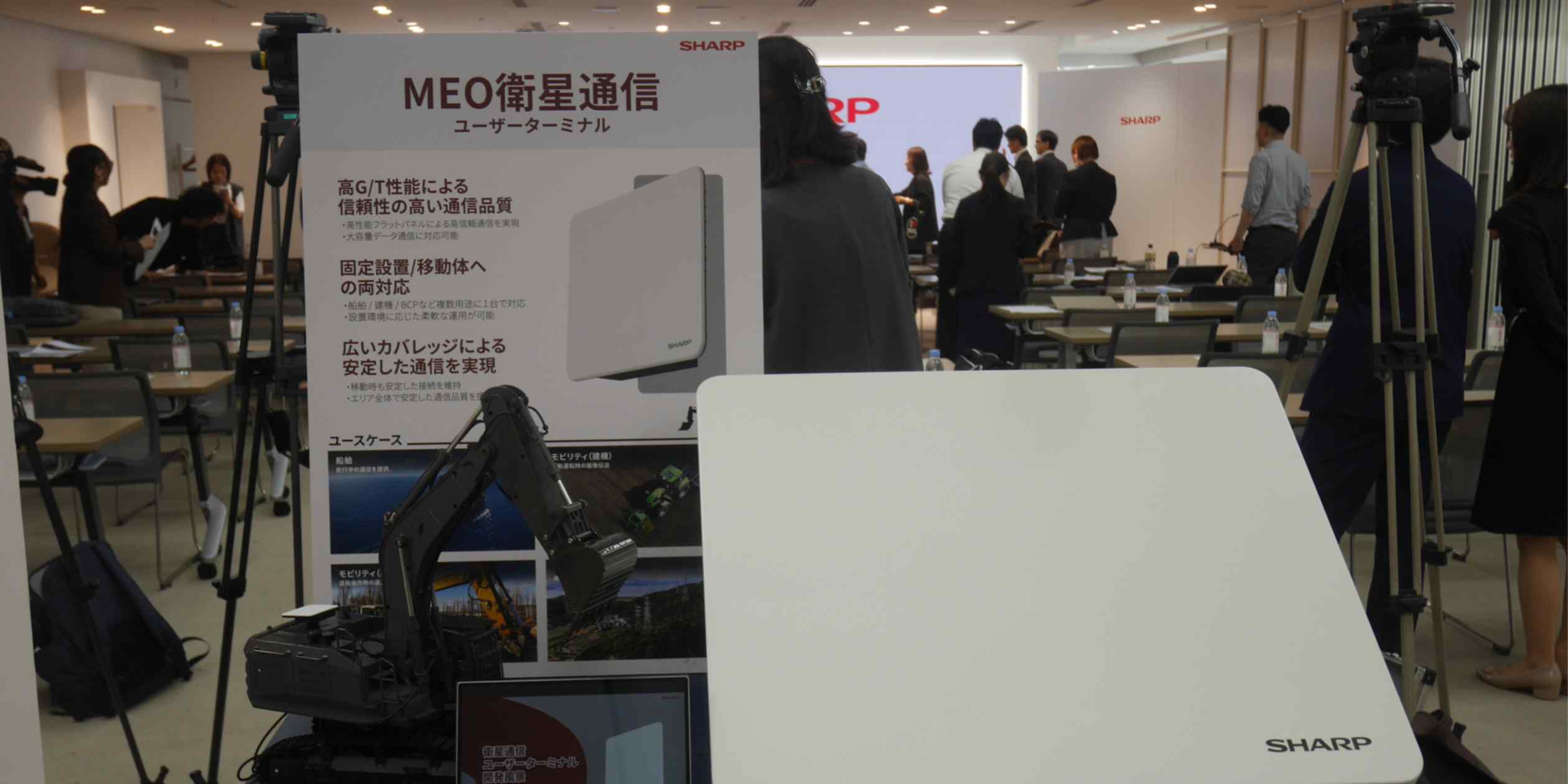
Sharp Corporation has unveiled a universal satellite antenna system aimed at reducing dependence on SpaceX's Starlink constellation, which has rapidly expanded its market share in global satellite internet services. The antenna is engineered to be compatible with various low-earth orbit satellite networks, giving consumers and businesses greater flexibility in choosing providers rather than being locked into a single ecosystem.
The move reflects growing concern across the technology and telecommunications sectors about Starlink's competitive advantage and market consolidation. With tens of thousands of satellites already in orbit and regulatory approvals pending for even larger deployments, SpaceX's network has become the de facto standard for satellite broadband in many regions, raising questions about competition and service diversity.
Sharp's universal antenna addresses a key barrier to market entry for rival satellite operators, including Amazon's Project Kuiper and other emerging constellations. By developing hardware that accommodates multiple networks, the manufacturer aims to level the playing field and accelerate adoption of alternative satellite internet services across Asia and beyond.
The company plans to begin commercialization of the antenna system in the coming months, targeting both individual consumers and institutional clients seeking redundancy and choice in satellite connectivity options. Industry analysts view the development as a significant step toward creating genuine competition in the satellite internet market, which has been dominated by Starlink's first-mover advantage and substantial capital reserves.