World · World News Bureau
Shein shelves US IPO plans, opts for Hong Kong listing instead
Chinese fast-fashion retailer Shein has abandoned its long-pursued ambitions for a US public offering, instead pursuing a listing in Hong Kong as valuations cool and regulatory scrutiny intensifies.
LSN World News ·
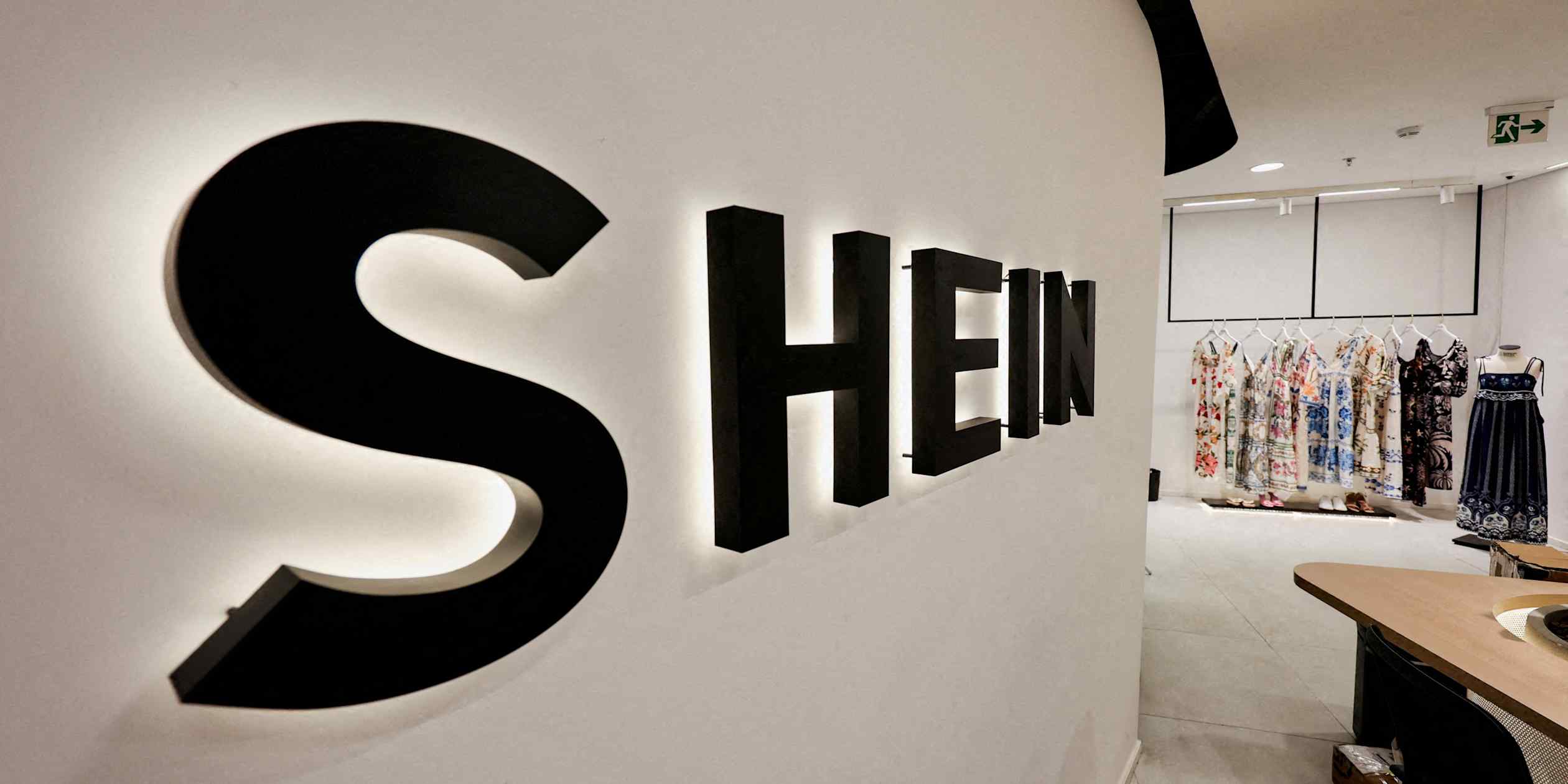
Shein, once valued at $100 billion at its peak, has pivoted from its high-profile US initial public offering strategy to seek a Hong Kong listing, according to sources familiar with the company's plans. The shift represents a significant retreat for the ultrafast fashion e-commerce giant, which has faced mounting obstacles to accessing American capital markets amid geopolitical tensions and regulatory concerns over Chinese companies.
The decision reflects the dramatic shift in Shein's market fortunes. The company's valuation has declined substantially from its previous zenith as growth slows and investor appetite for Chinese tech companies in Western markets diminishes. A Hong Kong listing would provide the company with access to capital while sidestepping the heightened scrutiny that a US IPO would entail, particularly given ongoing congressional review of Chinese-owned platforms.
Shein has faced criticism from American lawmakers and workers' advocacy groups over labor practices in its supply chain and environmental concerns related to rapid production cycles. The company has also contended with intellectual property infringement allegations from independent designers. These challenges, combined with geopolitical tensions between the US and China, have made navigating a US regulatory approval increasingly difficult.
Hong Kong has emerged as an attractive alternative for Chinese companies facing barriers to US listings, offering a more receptive regulatory environment while maintaining international capital access. A Hong Kong IPO would still enable Shein to raise capital for expansion and operational needs, though at a valuation likely far below its previous $100 billion valuation peak.