World · Malaysia Bureau
Shipping through Strait of Hormuz slows sharply amid Middle East tensions
A significant decline in vessel traffic through one of the world's most critical shipping chokepoints reflects mounting concerns over regional instability. The number of commodity ships transiting the waterway has dropped sharply over recent days.
LSN Malaysia ·
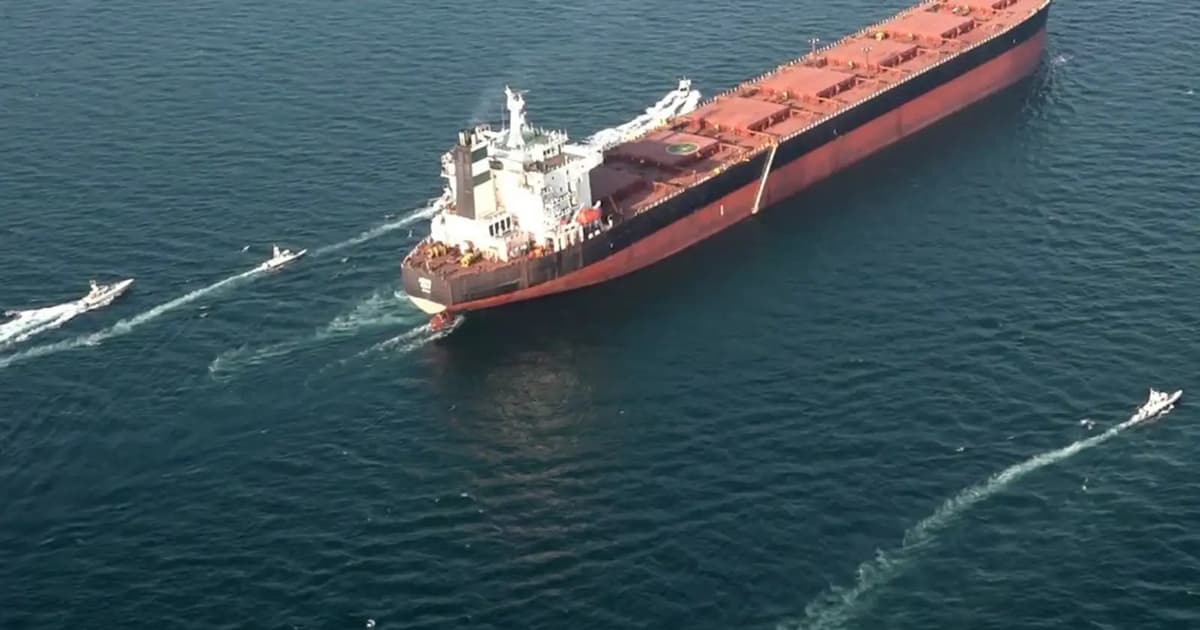
Shipping traffic through the Strait of Hormuz has contracted markedly as geopolitical tensions in the Middle East continue to weigh on maritime commerce. Vessel counts have fallen to approximately a dozen commodity carriers compared with 35 observed during the previous weekend, underscoring the impact of regional conflict on global trade flows.
The strait, which lies between Iran and Oman, serves as a critical passageway for a substantial portion of the world's seaborne oil and liquefied natural gas exports. The sharp reduction in visible traffic signals growing caution among shipping operators and cargo owners navigating the route amid heightened security concerns.
The decline reflects broader challenges facing international maritime logistics in one of Asia's most strategically important waterways. Vessel operators have historically adjusted their operational patterns during periods of regional instability, and the current figures suggest a pronounced shift in traffic patterns.
Industry observers note that such fluctuations can have ripple effects across global commodity markets and supply chains, particularly for nations dependent on Middle Eastern energy imports. The situation underscores ongoing vulnerabilities in critical shipping routes serving South and Southeast Asia's energy-dependent economies.