World · India Bureau
Shipwreck study reveals ongoing plastic pollution threat to Indian waters
A comprehensive assessment of the ELSA-3 vessel incident in May 2025 has documented persistent microplastic contamination and shifting ecological impacts in Tamil Nadu's coastal zone. Researchers are monitoring long-term effects through a two-year study.
LSN India ·
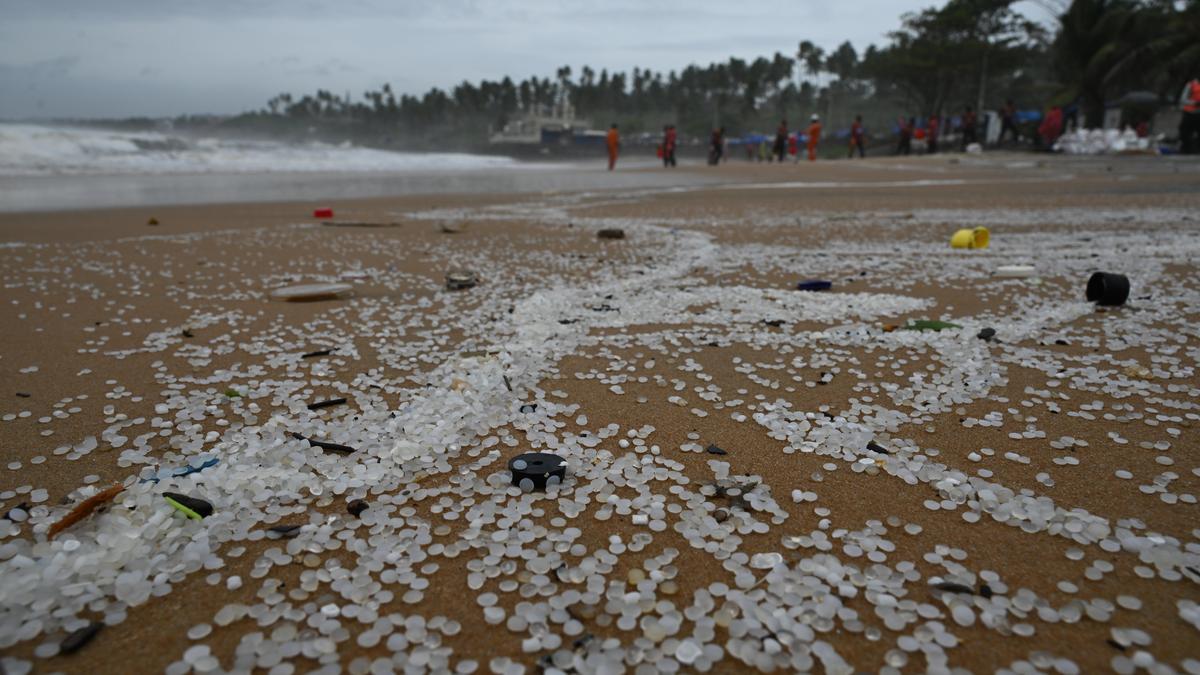
Following the May 2025 accident involving the Keralam ELSA-3 cargo vessel, the Tamil Nadu Pollution Control Board (TNPCB) commissioned impact assessment studies to evaluate the ecological fallout from the incident. The Suganthi Devadason Marine Research Institute (SDMRI) in Thoothukudi has been tasked with conducting both immediate rapid assessments and an extended two-year monitoring programme to track the accident's consequences.
The research has identified persistent nurdle pollution—the presence of plastic microbeads used as raw material in plastic manufacturing—as a significant concern in the aftermath of the shipwreck. These small plastic pellets, which escaped during the cargo vessel's damage, continue to pose challenges to the marine ecosystem months after the initial incident.
The dual-phase investigation approach reflects the scale of environmental concern generated by the accident. While rapid-response teams conducted urgent evaluations in the immediate aftermath, the extended two-year study is designed to capture evolving ecological impacts and track how the contamination disperses and affects marine life over time.
TNPCB's decision to engage SDMRI, a premier marine research facility, underscores the technical complexity of assessing nurdle pollution and its long-term consequences on biodiversity in one of India's critical coastal regions. The findings will be crucial for understanding the vulnerability of Tamil Nadu's marine ecosystems and informing future maritime safety protocols.