World · India Bureau
Shipwreck transformed into thriving mangrove ecosystem over 160 years
A vessel that caught fire more than a century and a half ago has been reclaimed by nature, with mangrove forests gradually converting the maritime wreck into a living island. The ecological transformation demonstrates the remarkable regenerative capacity of coastal ecosystems.
LSN India ·
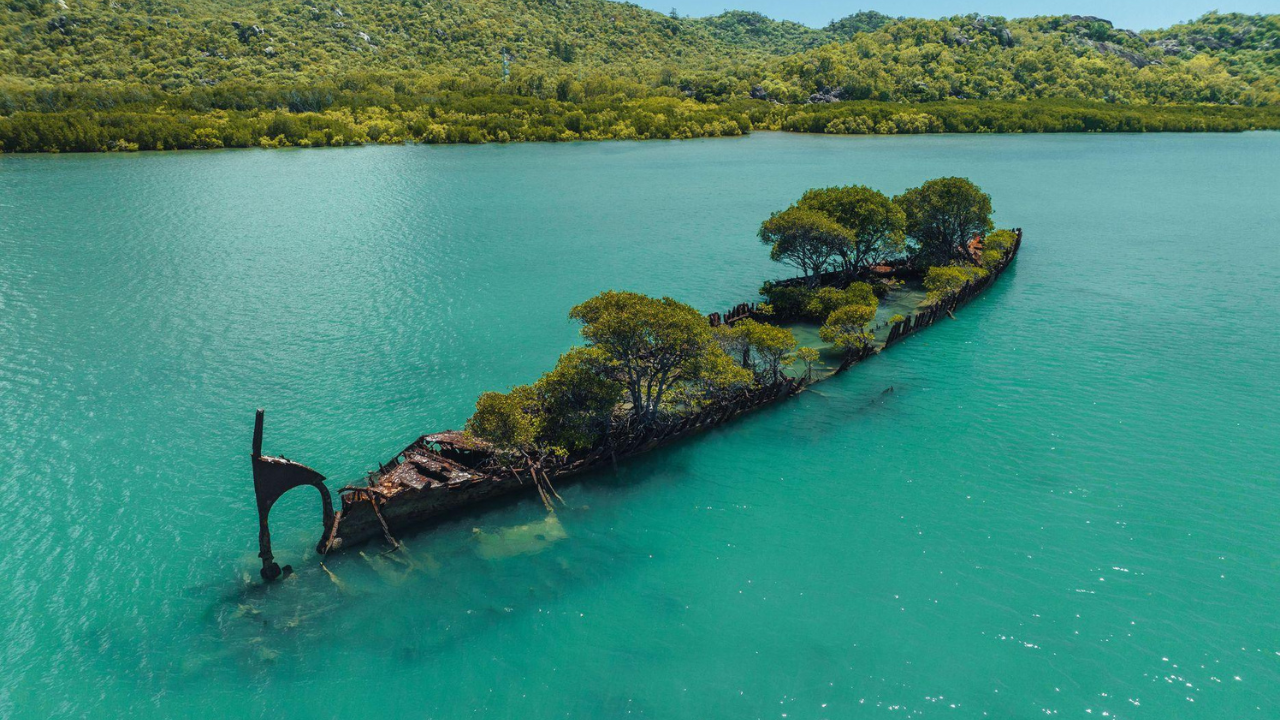
A merchant ship that burned and sank over 160 years ago has undergone a remarkable metamorphosis, becoming an unexpected sanctuary for mangrove vegetation in what scientists describe as a striking example of natural restoration. The vessel's submerged remains provided an initial anchor point for mangrove seeds and propagules, which gradually colonized the wreck site over decades.
As sediment accumulated around the deteriorating hull, the mangroves established an increasingly robust root system, their intricate network binding soil and organic matter together. Over generations, the once-barren shipwreck was progressively buried beneath layers of sediment and vegetation, creating an entirely new landmass where open water once existed.
Today, the site stands as a self-contained ecosystem, with mangrove forests now dominating what was once a maritime grave. The transformation underscores how coastal vegetation species can capitalize on available substrate to establish themselves and fundamentally reshape their environment over extended timescales.
Marsh and mangrove ecosystems throughout South Asia play crucial roles in coastal protection, fish breeding grounds, and carbon sequestration. This natural experiment demonstrates how resilient these systems can be when left undisturbed, and highlights the importance of preserving such habitats for their ecological and environmental services.