World · India Bureau
Shisham plantations offer path to wealth creation, experts suggest
Forestry experts highlight how planting 100 to 500 shisham trees and allowing them to mature over two decades could generate significant returns. The practice combines environmental benefits with potential financial gains for investors.
LSN India ·
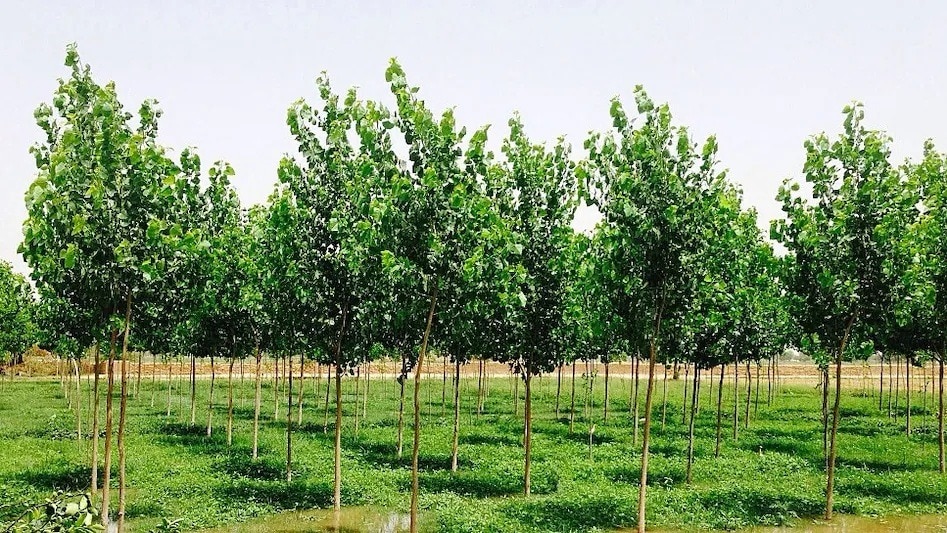
A growing number of Indian farmers and investors are turning to shisham tree cultivation as a long-term wealth-creation strategy, according to forestry analysts. The approach involves planting between 100 and 500 shisham trees on available land and maintaining them for approximately 20 years before harvesting.
Shisham, or Indian rosewood, is a highly valued timber species prized for its durability and use in furniture manufacturing and construction. The wood commands premium prices in domestic and export markets, making mature trees a valuable asset after two decades of growth.
Proponents of the model argue that shisham plantations require minimal ongoing maintenance once established, making them accessible to small and medium landholders. The trees are also nitrogen-fixing species that improve soil health, providing environmental co-benefits alongside economic returns.
Financial projections suggest that returns from a well-maintained shisham plantation could potentially reach crore-level figures, though actual yields depend on factors including land quality, climate conditions, tree density, and prevailing timber market rates. Agricultural extension services recommend consulting forestry experts before undertaking large-scale plantations to ensure optimal outcomes.
The practice reflects growing interest in agroforestry models across India, where agricultural land is leveraged for both food production and timber cultivation simultaneously.