World · India Bureau
Shiva Tandav's Epic Journey: From 1958 to 2026 Ramayan Adaptations
As Indian television prepares a new Ramayan adaptation for 2026, the evolution of depicting mythological narratives through the ages raises questions about whether contemporary productions can match the cultural impact of earlier versions.
LSN India ·
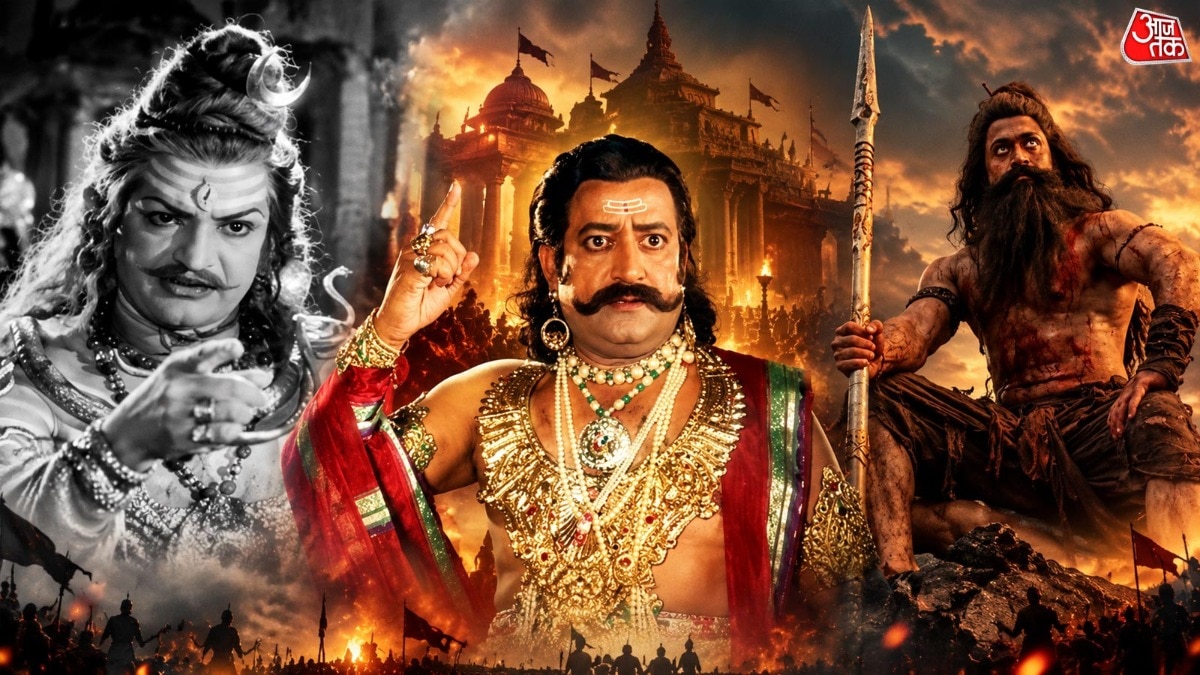
The portrayal of Hindu epics on Indian screens has undergone significant transformation over nearly seven decades, reflecting changing production capabilities and audience expectations. From the early television productions of the 1950s through Ramanand Sagar's acclaimed 1987 Ramayan series to contemporary adaptations, each era has brought its own interpretation to these timeless stories.
The casting and characterization of key figures in the Ramayan saga have consistently drawn considerable attention from viewers and critics alike. Iconic portrayals by actors in previous generations have created a benchmark against which new interpretations are frequently measured. As production houses announce new Ramayan projects slated for 2026, there is widespread curiosity about whether emerging actors and updated production techniques can create equally resonant performances.
The challenge facing contemporary filmmakers lies not merely in technical advancement but in capturing the emotional and cultural resonance that connected audiences to earlier versions. The evolution from early television formats to modern digital production represents both an opportunity and a pressure point, as creators must balance nostalgia with innovation.
With multiple Ramayan interpretations now in development across Indian entertainment platforms, the coming years will test whether the mythological drama genre can sustain its audience appeal while establishing fresh interpretations for new generations of viewers.