World · India Bureau
Sibal embraces 'intellectual Naxal' label, challenges Modi's framing
Rajya Sabha MP Kapil Sibal has claimed the 'dimagi naxal' label Prime Minister Narendra Modi used as a warning, turning the phrase into a badge of intellectual dissent. The term refers to those allegedly embedded in institutions who shape policy through ideological influence.
LSN India ·
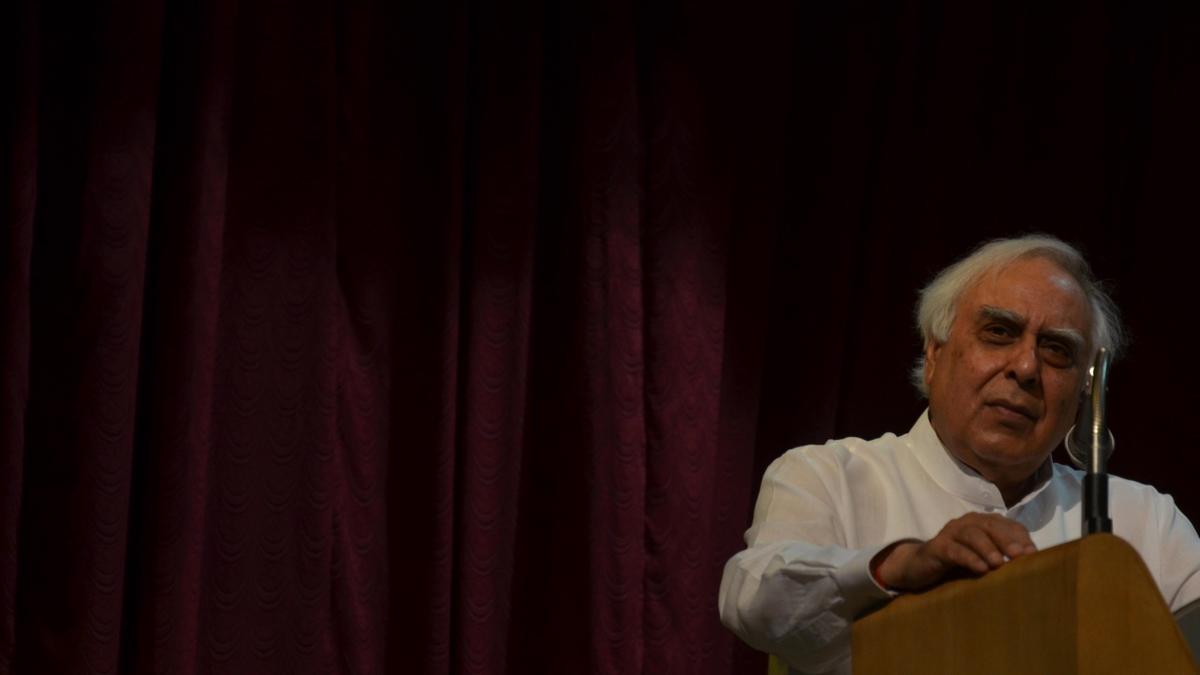
Kapil Sibal, the senior Congress leader and Rajya Sabha member, has appropriated Prime Minister Narendra Modi's characterisation of 'dimagi naxals'—or intellectual Naxals—as a descriptor of his own dissenting stance. Modi had previously employed the term to caution the nation about individuals positioned within the system who allegedly manipulate policies and pose a societal threat through ideological influence rather than armed struggle.
By publicly identifying himself with the label, Sibal has reframed what was intended as a pejorative into a marker of principled opposition. The move reflects the broader political contestation between the government and its critics over the nature of institutional influence and ideological direction in Indian policymaking.
The 'dimagi naxal' phrase has emerged as a contested concept in Indian political discourse, with the government using it to describe intellectuals, academics, and activists it views as destabilising forces working within established institutions. Sibal's embrace of the terminology suggests an alternative interpretation—that intellectual critique and policy resistance constitute legitimate democratic participation.
This rhetorical stance underscores deepening divisions between the Modi administration and opposition figures over the role of dissent and ideological pluralism in India's democratic institutions.