Politics · India Bureau
Sikkim activists call for Modi intervention after Nepal hydropower devastation
Environmental groups in Sikkim have appealed to Prime Minister Narendra Modi to suspend hydropower projects in the region following catastrophic flooding in Nepal that damaged at least 13 facilities. The disaster has reignited concerns about large-scale dam construction in the ecologically sensitive Himalayan corridor.
LSN India ·
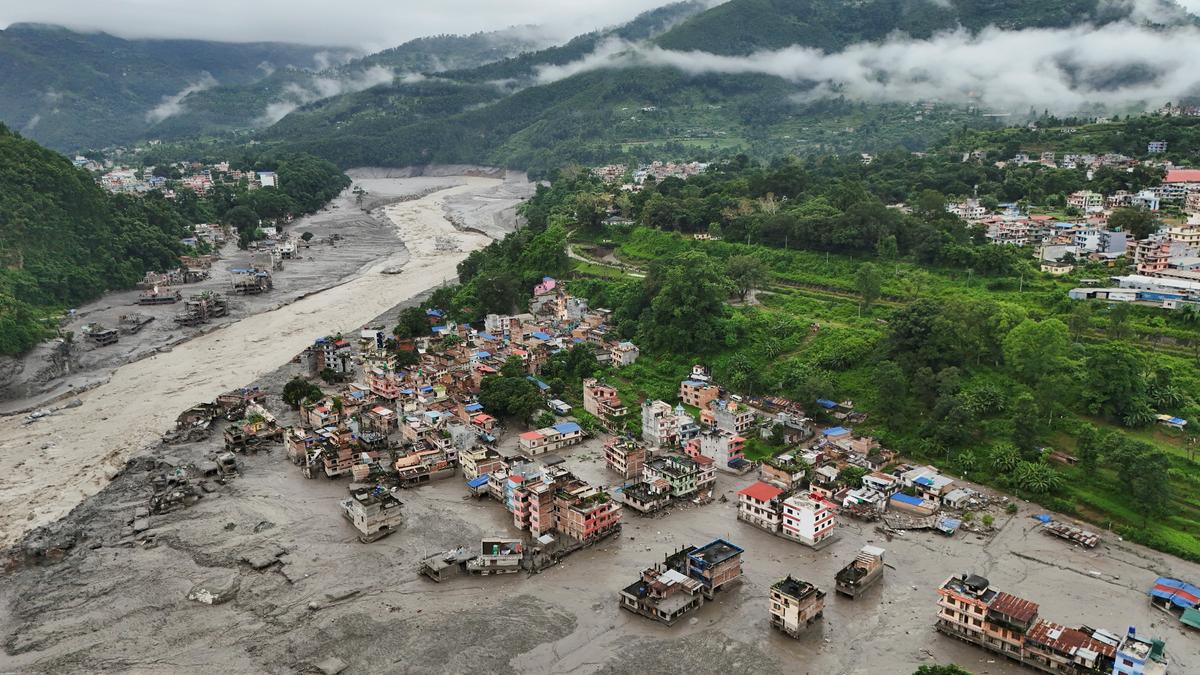
A coalition of environmental activists based in Sikkim has written to Prime Minister Modi urging the suspension of hydropower projects operating in the region, citing the recent devastating flash floods that swept through Nepal's mountain valleys. The disaster damaged or destroyed at least 13 hydroelectric installations along the Bhotekoshi and Trishuli River corridors, including the 111-megawatt Rasuwagadhi project, forcing officials to reassess the safety of infrastructure in the high-altitude region.
The appeal from Sikkim-based groups reflects growing anxiety among environmental organisations across the Himalayan belt about the concentration of dam projects along shared river systems. Activists argue that the Nepal flooding demonstrates the vulnerability of hydropower installations to extreme weather events, a concern they say has been overlooked in discussions about expanding dam infrastructure in ecologically fragile areas.
The Rasuwagadhi hydroelectric project, among the largest facilities impacted, suffered extensive structural damage during the floods, raising questions about the design standards and risk assessments applied to such projects. The incident has prompted calls for an independent review of all operational and planned hydropower schemes in Nepal and adjoining regions of India and Bhutan.
Environmental groups contend that accelerated hydropower development in the Himalayan region may exacerbate natural hazards such as flash floods and glacial outburst floods. They are seeking greater scrutiny of project proposals and enhanced safety protocols before further installations are commissioned along major river systems shared by multiple nations.