Culture & Entertainment · India Bureau
Sikkim flags 40 high-risk glacial lakes as Himalayan hazards mount
Eastern Himalayan state of Sikkim has identified 40 potentially dangerous glacial lakes, with 16 posing the highest risk of catastrophic outburst floods. The assessment comes as climate-driven glacier retreat creates new hazards across the mountain range.
LSN India ·
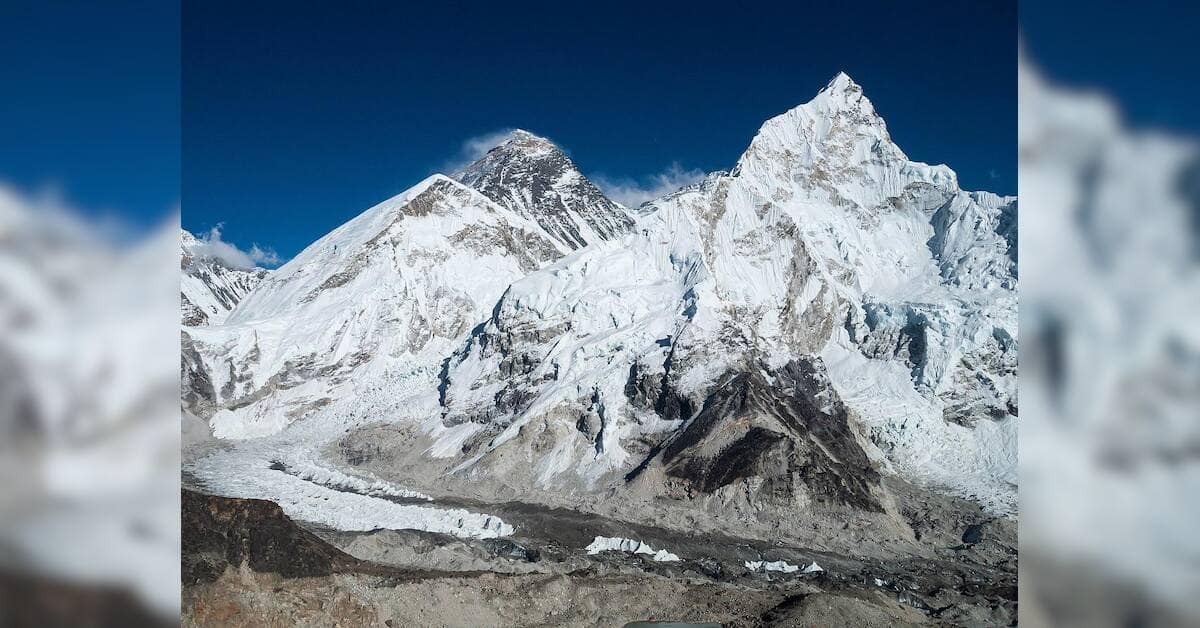
Sikkim has completed a comprehensive assessment identifying 40 high-hazard glacial lakes within its borders, with 16 classified at the highest risk level for sudden catastrophic failure. The findings underscore growing concerns about glacial instability across the eastern Himalayas as climate change accelerates glacier melt and transforms the mountain landscape.
The data gains particular significance following a devastating flash flood in Nepal on August 26, triggered by a glacial collapse near the Nepal-Tibet border that killed hundreds and left scores missing. While that incident was not classified as a Glacial Lake Outburst Flood (GLOF), it has amplified concerns about the broader environmental transformation occurring across the Himalayan region, where retreating glaciers are spawning new lakes and expanding existing ones.
Glacial lakes form as glaciers melt and meltwater accumulates in depressions on or near glacier surfaces. GLOFs occur when these lakes suddenly rupture due to factors including excessive water accumulation or seismic activity, potentially unleashing destructive floods downstream. Scientists warn that the proliferation of glacial lakes in response to warming temperatures represents a significant emerging hazard for communities across the Himalayan arc.
Sikkim's identification of high-risk lakes is expected to inform disaster preparedness efforts and infrastructure planning in vulnerable downstream areas. State and central authorities are likely to intensify monitoring protocols and early warning systems for the most critical water bodies identified in the assessment.