World · India Bureau
Silent graphic novel captures rising waters threatening Kochi's communities
An illustrated narrative by artist Athulya Pillai explores the human impact of tidal flooding in Kerala's coastal city through the eyes of a young protagonist. The wordless comic, titled 'Nanavu', uses visual storytelling to document the environmental crisis reshaping life in Kochi.
LSN India ·
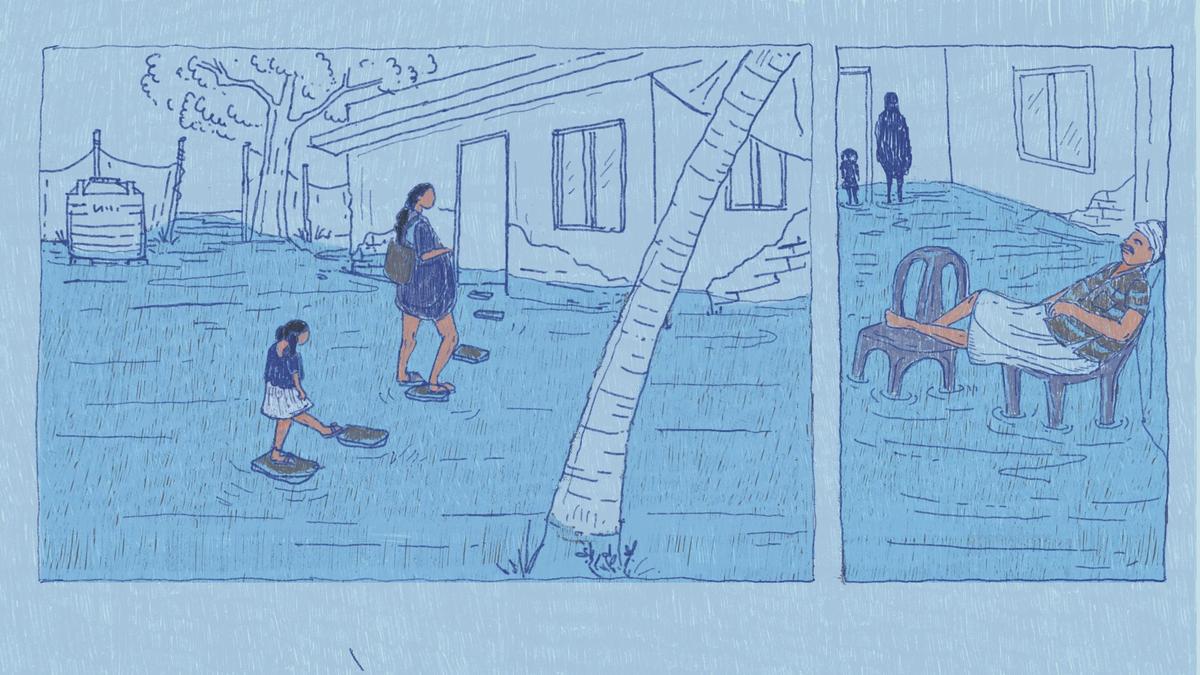
Athulya Pillai's latest work ventures into climate storytelling through an unconventional medium—a silent graphic novel that traces the experience of tidal flooding in Kochi without relying on dialogue or narration. The comic, titled 'Nanavu', follows a young girl navigating daily life as rising waters increasingly encroach upon her community, making it a poignant visual chronicle of environmental displacement.
The choice of a wordless format proves deliberate, allowing readers to engage directly with illustrated scenes of inundation and its aftermath. By anchoring the narrative in a child's perspective, Pillai creates an intimate portrayal of how coastal communities grapple with the intensifying consequences of tidal surges and sea-level rise. The artistic approach transcends linguistic barriers, rendering the ecological challenge universally comprehensible.
Kochi, situated on the Arabian Sea coast, has long contended with seasonal flooding and waterlogging. In recent years, the phenomenon has intensified, affecting residents' livelihoods, infrastructure, and daily routines. Pillai's graphic narrative contributes to a growing body of creative work addressing climate vulnerability in South Asia, using visual art to document stories that conventional reporting sometimes overlooks.
The silent comic format has gained traction as a medium for exploring complex environmental and social issues, allowing illustrators to convey emotion and consequence through imagery alone. Pillai's work demonstrates how graphic storytelling can serve as both documentary and advocacy, bringing attention to the lived realities of those confronting ecological change in coastal India.