World · India Bureau
SIM Swap Fraud: How Criminals Empty Bank Accounts Without Your Knowledge
A sophisticated cyber fraud targeting mobile phone users in India is allowing criminals to hijack bank accounts and drain funds before victims even realize their phone number has been compromised. SIM swap scams represent a growing threat to digital financial security across the region.
LSN India ·
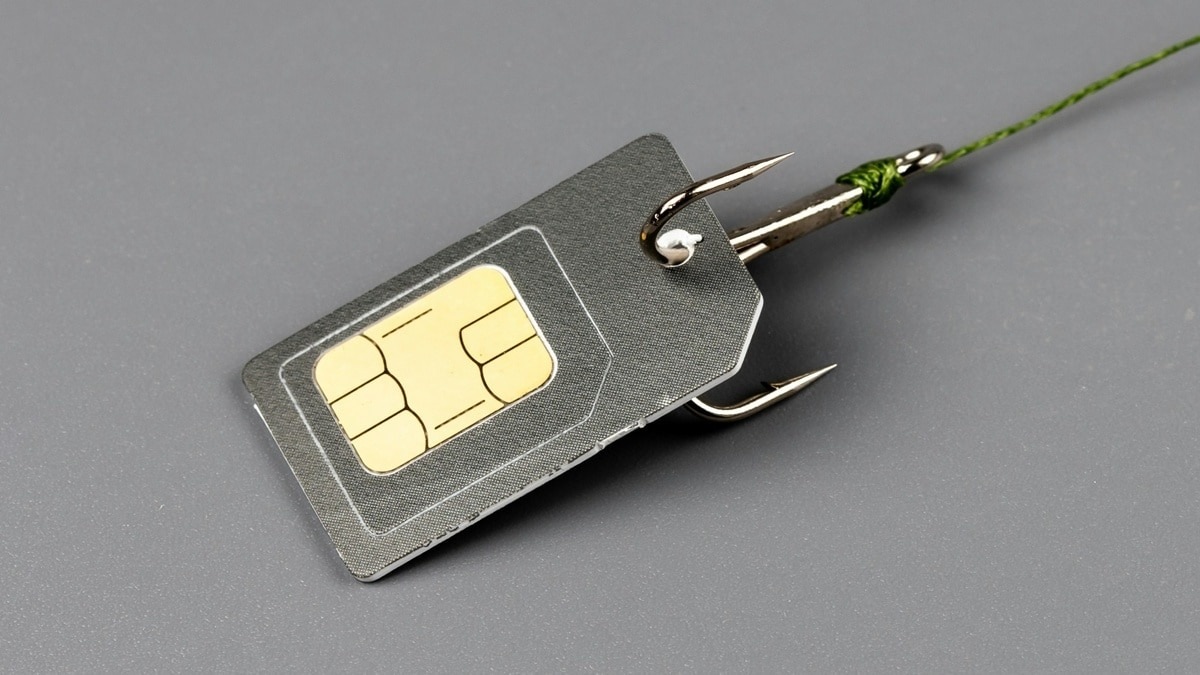
SIM swap fraud, also known as SIM jacking, has emerged as a serious threat to Indian smartphone users and their financial security. In this scam, perpetrators convince telecom service providers to transfer a victim's phone number to a new SIM card controlled by the fraudsters, effectively giving them access to the target's mobile-based authentication systems.
Once criminals gain control of a victim's phone number, they can intercept one-time passwords (OTPs) and other security verification codes sent by banks and financial institutions. This allows them to reset passwords, access email accounts, and most critically, gain entry to online banking platforms and digital payment applications. Victims often remain unaware of the fraud until they notice unauthorized transactions or receive alerts from their banks.
The mechanics of the scam are straightforward but effective. Fraudsters typically gather personal information about their targets through social engineering, data breaches, or dark web marketplaces. They then contact customer service representatives at telecom companies, sometimes using forged identification or by impersonating the actual account holder, and request a SIM swap citing lost or damaged phones.
Financial institutions and telecom operators have begun strengthening security protocols to combat the threat, including additional verification steps before authorizing SIM transfers and implementing biometric authentication requirements. However, security experts recommend that users take proactive measures such as registering security alerts with their banks, using authenticator apps instead of SMS-based OTPs where possible, and maintaining vigilant monitoring of their financial accounts for suspicious activity.
India's digital payment infrastructure has expanded rapidly in recent years, making financial security awareness increasingly critical for all users engaging with online banking and mobile payment services.