World · India Bureau
Simple Hacks Help Prevent Wall Plaster Damage When Hanging Fixtures
Homeowners in India often face crumbling plaster when hammering nails to hang picture frames, clocks, or calendars on walls. Basic techniques can help minimise damage and preserve newly painted or plastered surfaces.
LSN India ·
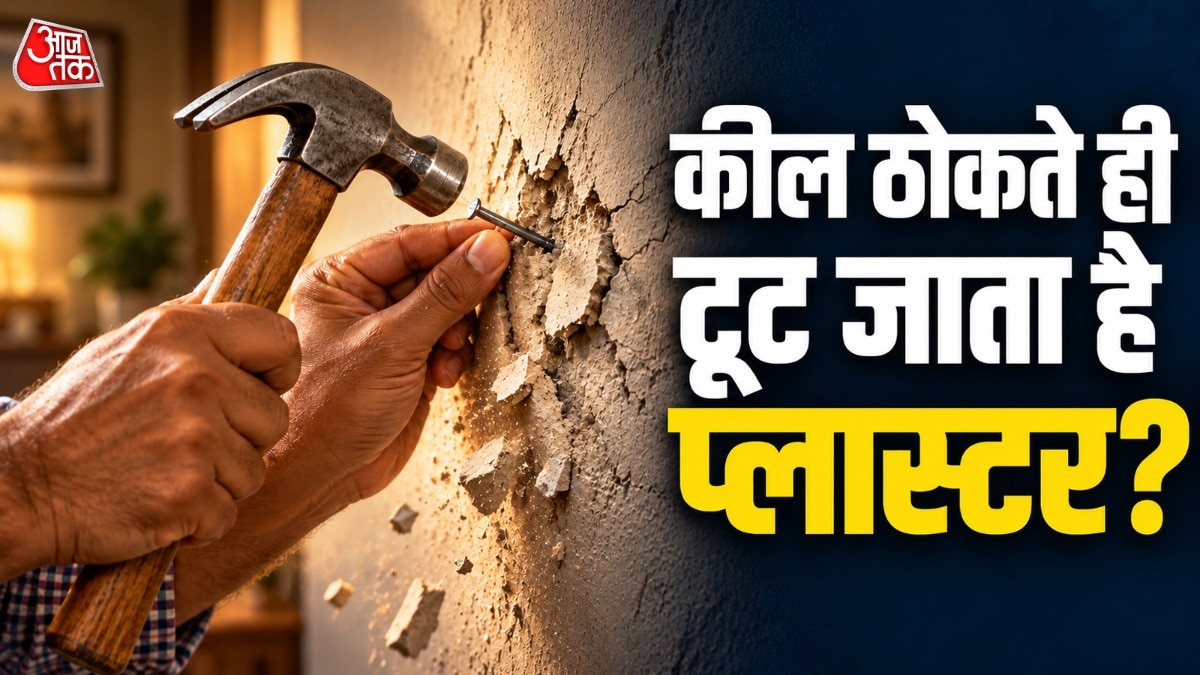
A common household challenge confronts many Indian homeowners: driving a nail into a wall to hang decorative items or functional fixtures often results in cracked plaster and unsightly pits around the puncture point. The problem proves particularly frustrating shortly after fresh painting or plastering work, when walls appear pristine and damage becomes conspicuous.
The damage occurs because standard hammering techniques place concentrated stress on a relatively small area of plaster, causing it to fracture and crumble around the nail hole. Newly applied plaster remains especially vulnerable during its initial curing period, when the material has not fully hardened.
Several straightforward preventive measures can substantially reduce or eliminate wall damage. Applying masking tape over the intended nail location creates a reinforced zone that disperses impact force across a wider area, minimising cracking. Pre-drilling a small pilot hole before inserting a nail allows the plaster to separate gradually rather than fracturing suddenly. Using appropriate nail types—such as those specifically designed for masonry or plaster—also improves results compared to standard nails.
For those planning to hang items on freshly painted walls, waiting at least two to three weeks after painting completion allows the plaster to cure more thoroughly and become more resilient. Selecting the correct nail size proportionate to the weight of the object being hung prevents unnecessary force requirements during installation. These practical techniques help homeowners maintain wall integrity while displaying photographs, timepieces, and other household items.