World · Singapore Bureau
Singapore adopts Tokyo's iconic Shibuya Crossing design as model for urban pedestrian flow
As Singapore trials a pedestrian crossing inspired by Tokyo's world-famous Shibuya Scramble, the original intersection continues to evolve amid broader district redevelopment. The crossing, once conceived as a safety solution, has become an urban design benchmark studied globally.
LSN Singapore ·
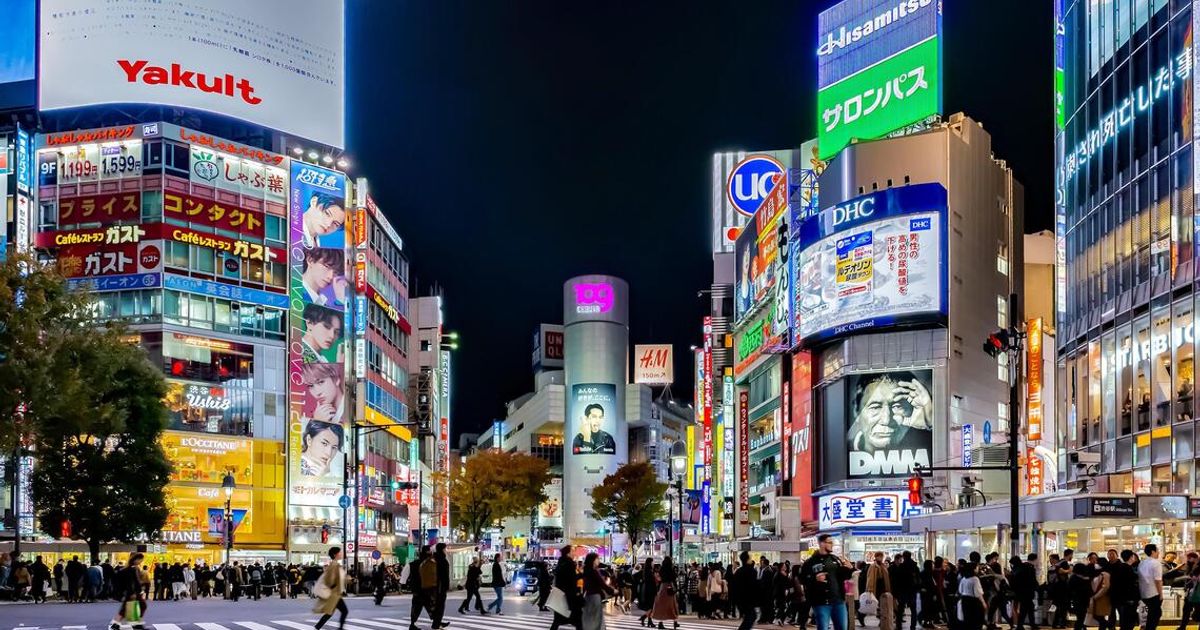
Tokyo's Shibuya Scramble Crossing has transcended its origins as a practical traffic management tool to become one of the world's most recognizable urban landmarks. The massive intersection, which sees thousands of pedestrians crossing simultaneously in multiple directions, was originally designed as a solution to congestion and safety concerns in one of Japan's busiest commercial districts.
Singapore's decision to trial a Shibuya-style crossing reflects the growing international interest in the intersection's distinctive diagonal pedestrian flow design. Urban planners across Asia and beyond have increasingly looked to Shibuya as a model for managing high-volume foot traffic in dense city centres, recognizing how the design maximises pedestrian throughput while maintaining safety.
Meanwhile, Tokyo's Shibuya district continues its own transformation. Beyond the famous crossing itself, the area is undergoing significant redevelopment, with new infrastructure and commercial projects reshaping the neighbourhood while the crossing remains a symbolic anchor point. The continued evolution of Shibuya demonstrates how even iconic landmarks adapt to changing urban needs.
The Shibuya crossing's journey from engineering solution to global design reference highlights how practical urban infrastructure can achieve cultural significance. As cities worldwide grapple with pedestrian management in high-density areas, the Tokyo intersection's proven effectiveness continues to influence urban planning decisions from Southeast Asia to beyond.